
In the world of industrial sealing solutions, the phrase “virgin PTFE gasket” might not initially stir excitement. However, for those in the know, this seemingly humble component is a game-changer, ensuring safety, efficiency, and reliability across a myriad of applications. Consider a scenario where a simple seal could prevent catastrophic leaks in high-stakes environments like chemical plants or oil refineries. The performance and resilience of the virgin PTFE gasket can mean the difference between smooth operations and costly interruptions.
Unraveling the complexities of material science has led to innovative solutions, and PTFE gaskets are at the forefront. As industries continue to push boundaries, the demand for materials that withstand extreme temperatures, pressures, and chemical exposures has never been higher. In this ultimate guide, we dive deep into how virgin PTFE gaskets provide unmatched sealing capabilities, making them indispensable in critical sectors. Whether you’re an engineer, a procurement specialist, or simply intrigued by industrial processes, understanding this vital component could be the key to unlocking new potential in your operations.

The Fundamentals of Virgin PTFE Gaskets
At the heart of many high-performance sealing solutions lies the virgin PTFE gasket, a product crafted from 100% unfilled polytetrafluoroethylene resin. Unlike filled PTFE variants that contain additives for specific properties, virgin PTFE offers unmatched chemical inertness, making it the go-to choice when contamination or reactivity must be absolutely avoided. With a wide temperature range—typically from –200 °C up to +260 °C—these gaskets maintain dimensional stability and resilience under extreme conditions. Their low coefficient of friction and high dielectric strength further expand their versatility in applications where both seal integrity and electrical insulation are critical.
A virgin ptfe gasket owes its performance to the unique molecular structure of PTFE, characterized by strong carbon-fluorine bonds that create a highly non-reactive and slippery surface. This property prevents most fluids, acids, bases, and solvents from adhering or permeating, safeguarding equipment against leaks and corrosion. Additionally, the material’s ability to conform to flange irregularities under moderate compression ensures a reliable seal without the need for excessively high bolt loads. This reduces the risk of flange deformation and extends the lifespan of both the gasket and mating surfaces.
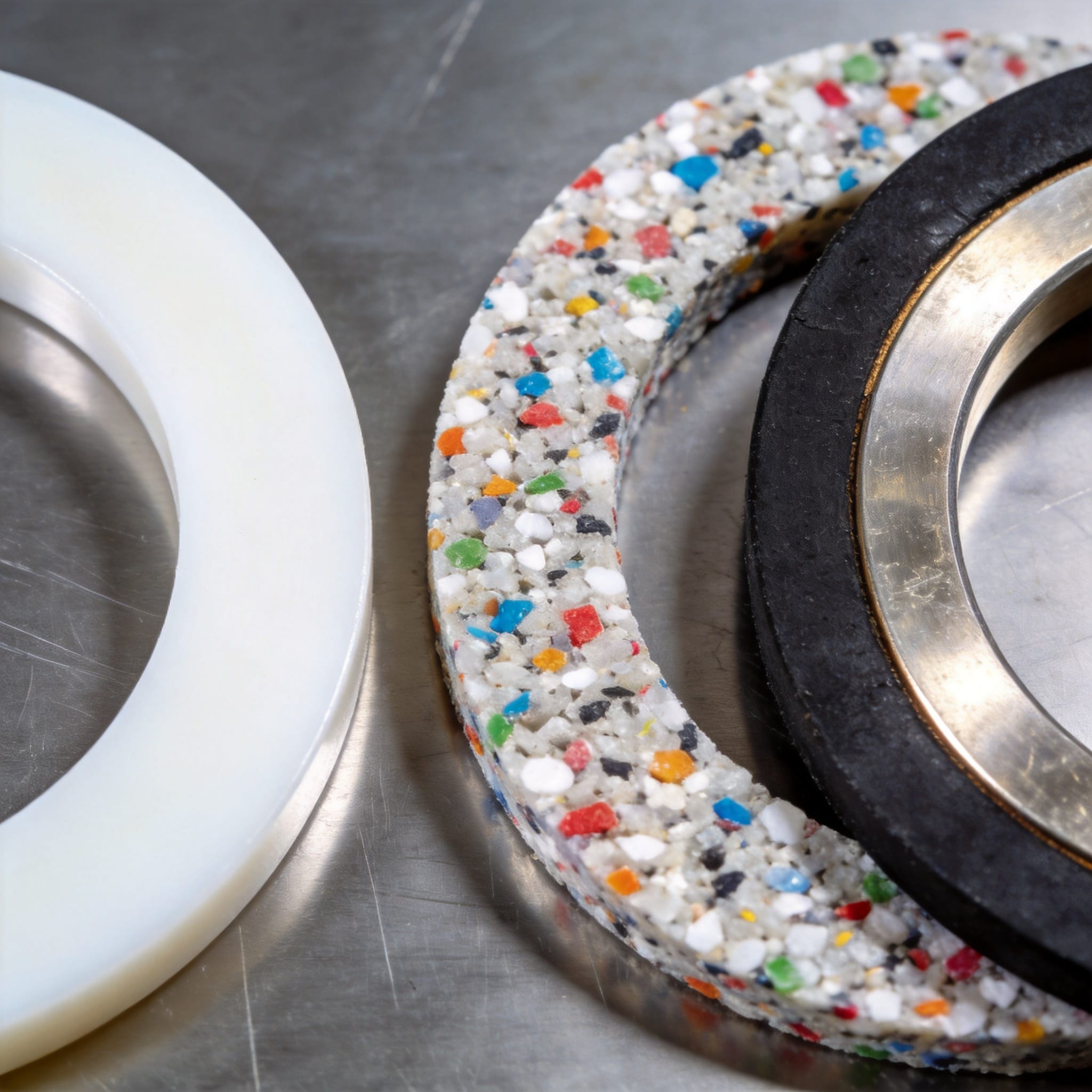
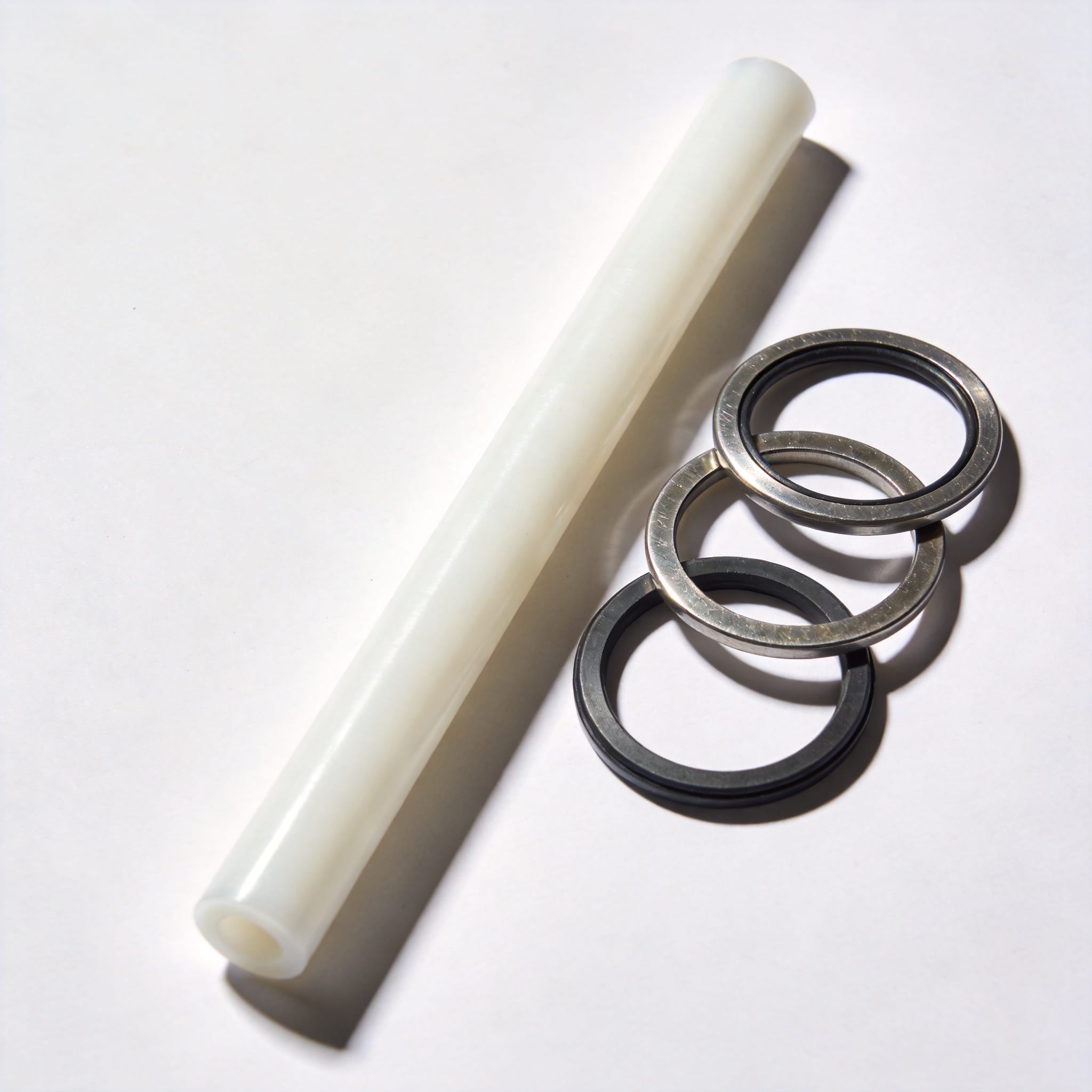
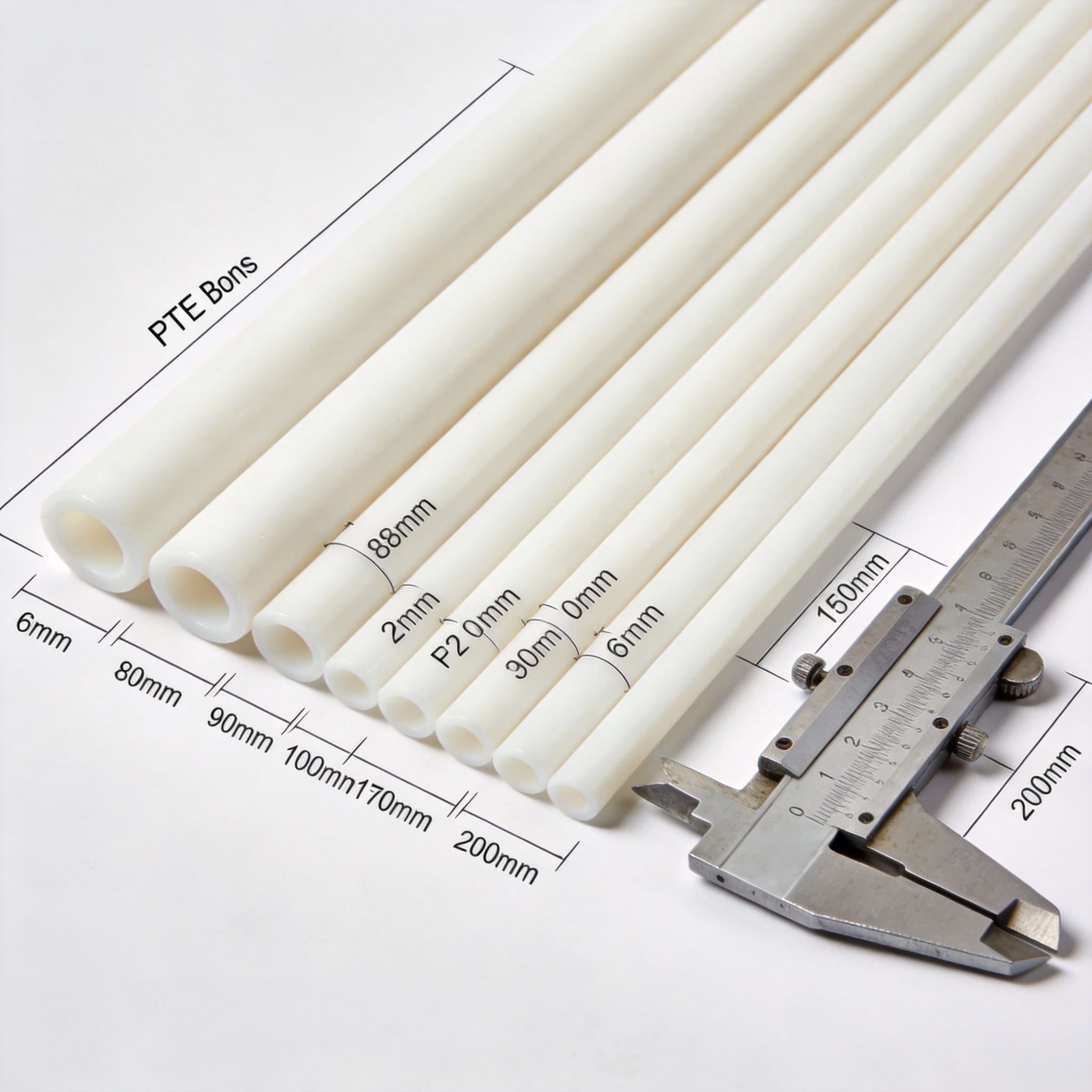
Manufacturers typically supply virgin PTFE gaskets in various shapes—rings, sheets, and custom-cut profiles—to suit flanges ranging from small instrumentation fittings to large pipeline joints. Standard thicknesses vary, but custom fabrication allows engineers to specify unique dimensions for specialized equipment. Despite its many advantages, virgin PTFE can exhibit cold flow (creep) under sustained load, so proper installation techniques and periodic inspection are essential to maintain optimal sealing performance over time. Understanding these fundamentals equips engineers and maintenance teams to leverage the full potential of virgin PTFE gaskets in critical sealing applications.
Types of Applications Suitable for Virgin PTFE Gaskets
Virgin PTFE gaskets are prized in industries where chemical compatibility, temperature extremes, and regulatory compliance are non-negotiable. In the chemical processing and petrochemical sectors, they seal reactor vessels, heat exchangers, and piping systems handling aggressive acids, alkalis, and solvents. Their resistance to almost all industrial chemicals ensures that leaks—potentially hazardous or corrosive—are effectively contained. Likewise, pharmaceutical and biotech facilities favor virgin PTFE gaskets for sanitary connections, as the material resists microbial growth and withstands repeated sterilization cycles without degrading.
Beyond heavy industry, virgin ptfe gasket usage extends to food and beverage processing, where FDA and USDA approvals are crucial. These gaskets meet stringent food safety standards, ensuring no flavor transfer, contamination, or chemical leaching during brewing, dairy handling, or bottling operations. Semiconductor and electronics manufacturers also rely on PTFE seals for ultra-high-purity applications, where even minute particulate or ionic contamination can compromise product yield. In water treatment, power generation, and offshore oil platforms, the combination of broad temperature tolerance and exceptional chemical inertness makes virgin PTFE gaskets an indispensable sealing solution.
Factors to Consider When Selecting Virgin PTFE Gaskets
Choosing the right virgin PTFE gasket involves more than picking a material—engineers must account for chemical compatibility, temperature and pressure ratings, flange type, and flange surface finish. Begin by verifying that PTFE resists all process media, including potential byproducts or cleaning agents. Next, confirm operating temperatures fall within the material’s thermal limits, avoiding prolonged exposure near its upper threshold to reduce creep risks. Pressure conditions, including cyclic pressure fluctuations, dictate gasket thickness and hardness; higher pressures may require thicker or reinforced designs to maintain a reliable seal.
Flange specifications, such as raised faces, flat faces, or tongue-and-groove profiles, also influence gasket selection. The gasket’s cross-sectional shape must match the flange geometry for proper compression and load distribution. Additionally, surface finish plays a critical role: an overly rough surface can damage the gasket, while an excessively smooth finish may hinder effective sealing. Finally, consider industry regulations—FDA, USP, and ASME codes governing gasket materials and manufacturing standards—to ensure compliance. Factoring in these elements early in the design or procurement phase streamlines installation, minimizes downtime, and extends gasket service life.
Maintenance Guidelines for Virgin PTFE Gaskets
Maintaining the performance of a virgin PTFE gasket starts with proper storage. Store gaskets flat in a clean, dry environment away from direct sunlight and ozone sources to prevent surface degradation. Avoid stacking heavy objects on top of gaskets, which can cause permanent deformation or creasing. Before installation, inspect each gasket for nicks, cuts, or irregularities that could compromise sealing integrity. Replace any damaged units rather than risking leaks or equipment downtime.
During installation, ensure flange faces are clean, smooth, and free of rust or debris. Use appropriate torque sequences and values: PTFE requires lower bolt loads than metal gaskets, so follow manufacturer specifications to achieve sufficient compression without over-tightening. Periodically inspect bolting torque in service—thermal cycling and vibration can loosen fasteners over time. Routine visual inspections and leak detection tests (ultrasonic, bubble, or infrared) help identify early signs of seal failure. If a gasket shows evidence of creep or extrusion, schedule a planned shutdown to replace it before a critical leak occurs. Adhering to these maintenance guidelines will maximize the longevity and reliability of virgin PTFE gasket installations.
Common Mistakes to Avoid When Using Virgin PTFE Gaskets
One frequent error is improper installation torque. PTFE’s low friction coefficient can mislead technicians into over-tightening bolts in a bid to secure the seal. Excessive torque may crush the gasket, leading to premature creep, extrusion, or flange damage. Conversely, under-tightening fails to achieve the compression necessary for an effective seal, allowing leaks to develop. Always follow the recommended bolt load and tightening pattern provided by the gasket manufacturers.
Another pitfall involves reusing gaskets. Unlike metallic spiral wound or certain elastomeric gaskets, virgin PTFE gasket deformation is often permanent. Attempting to reuse a gasket can result in compromised sealing surfaces and unpredictable torque-to-seal relationships. Always install a new gasket after disassembly. Additionally, selecting PTFE when another material would suffice—or vice versa—can lead to cost inefficiencies or performance shortfalls. Perform a thorough media compatibility check, and consider factors such as pressure surges, steam exposure, and dynamic movement to prevent material mismatch. Finally, neglecting regular inspections and torque retorquing can turn minor seal issues into major operational disruptions.
Conclusion: Maximizing Efficiency and Reliability with Virgin PTFE Gaskets
Virgin PTFE gaskets offer unparalleled chemical resistance, temperature tolerance, and sealing reliability for critical industrial and sanitary applications. By understanding material properties, selecting the right design, and following proper installation and maintenance practices, operators can minimize leaks, reduce downtime, and enhance process safety.
Investing in high-quality virgin ptfe gasket solutions and adhering to best practices ensures long-term performance and cost savings. Whether tackling aggressive chemicals in a refinery or maintaining sterility in a pharmaceutical plant, these gaskets form the backbone of dependable sealing systems. Embrace the guidelines outlined here to unlock the full potential of PTFE-based sealing technology.

 English
 Russian
 French
 Spanish