
PTFE, or polytetrafluoroethylene, is a highly versatile and widely used material known for its exceptional chemical resistance and thermal stability. It’s a popular choice in industries ranging from aerospace to food processing. Understanding the maximum temperature limits for PTFE tubes is crucial for ensuring their optimal performance and longevity in various applications.

PTFE is a synthetic fluoropolymer of tetrafluoroethylene, commonly known by the brand name Teflon. It is renowned for its non-reactivity, low friction, and high heat resistance, making it ideal for applications where extreme temperatures and corrosive substances are a concern.
Key Properties of PTFE
- Chemical Resistance: PTFE is virtually unaffected by most chemicals, including acids, bases, and solvents.
- Low Friction: Its non-stick properties reduce friction, making it perfect for applications requiring smooth movement.
- Thermal Stability: PTFE can withstand a wide range of temperatures, which is essential for high-temperature applications.
The Importance of Knowing PTFE Tube Temperature Limits
PTFE tubing is used in a wide array of industrial applications due to its outstanding properties. However, it’s crucial to understand the temperature limits to ensure that PTFE tubes perform efficiently and safely. Operating beyond these limits can compromise the material’s structural integrity and lead to failure.
PTFE Tube Temperature Range
PTFE tubes are known for their impressive thermal stability. They can typically operate within a temperature range of -328°F (-200°C) to 500°F (260°C). This broad range makes PTFE tubes ideal for both cryogenic and high-temperature applications.
Maximum Temperature for PTFE Tubes

When discussing the maximum temperature for PTFE tubes, it’s essential to differentiate between continuous and intermittent exposure.
Continuous Exposure
For continuous use, PTFE tubes can safely handle temperatures up to 500°F (260°C). Beyond this point, the mechanical properties begin to degrade, and the material may start to deform.
Intermittent Exposure
In cases where PTFE tubes are subjected to high temperatures intermittently, they can withstand slightly higher temperatures without immediate damage. However, it’s important to limit the duration of exposure to prevent material degradation.
PTFE Tube Thermal Stability and Performance
Thermal Expansion
PTFE exhibits significant thermal expansion, meaning it can expand when heated and contract when cooled. This property must be considered during installation to avoid issues related to size changes.
Heat Resistance
PTFE’s heat resistance is one of its standout features. It maintains its properties even under thermal stress, which is why it’s favored in high-temperature environments.
Decomposition Temperature
PTFE begins to decompose at temperatures above 662°F (350°C). At this point, it releases toxic fumes, so it’s crucial to avoid exposure to such high temperatures to ensure safety.
Factors Affecting PTFE Tube Temperature Limits
Several factors can influence the effective temperature range for PTFE tubes:
Wall Thickness
Thicker walls can provide better insulation and slightly extend the temperature limit. However, they also affect flexibility and weight.
Pressure
Higher pressures can exacerbate the effects of high temperatures, so it’s vital to consider both factors when determining the safe operating range for PTFE tubing.
Environmental Conditions
Exposure to UV light, chemicals, and physical wear can impact PTFE’s performance and temperature tolerance.
Applications of PTFE Tubes in High-Temperature Environments
PTFE tubes are utilized in various high-temperature applications, including:
Chemical Processing
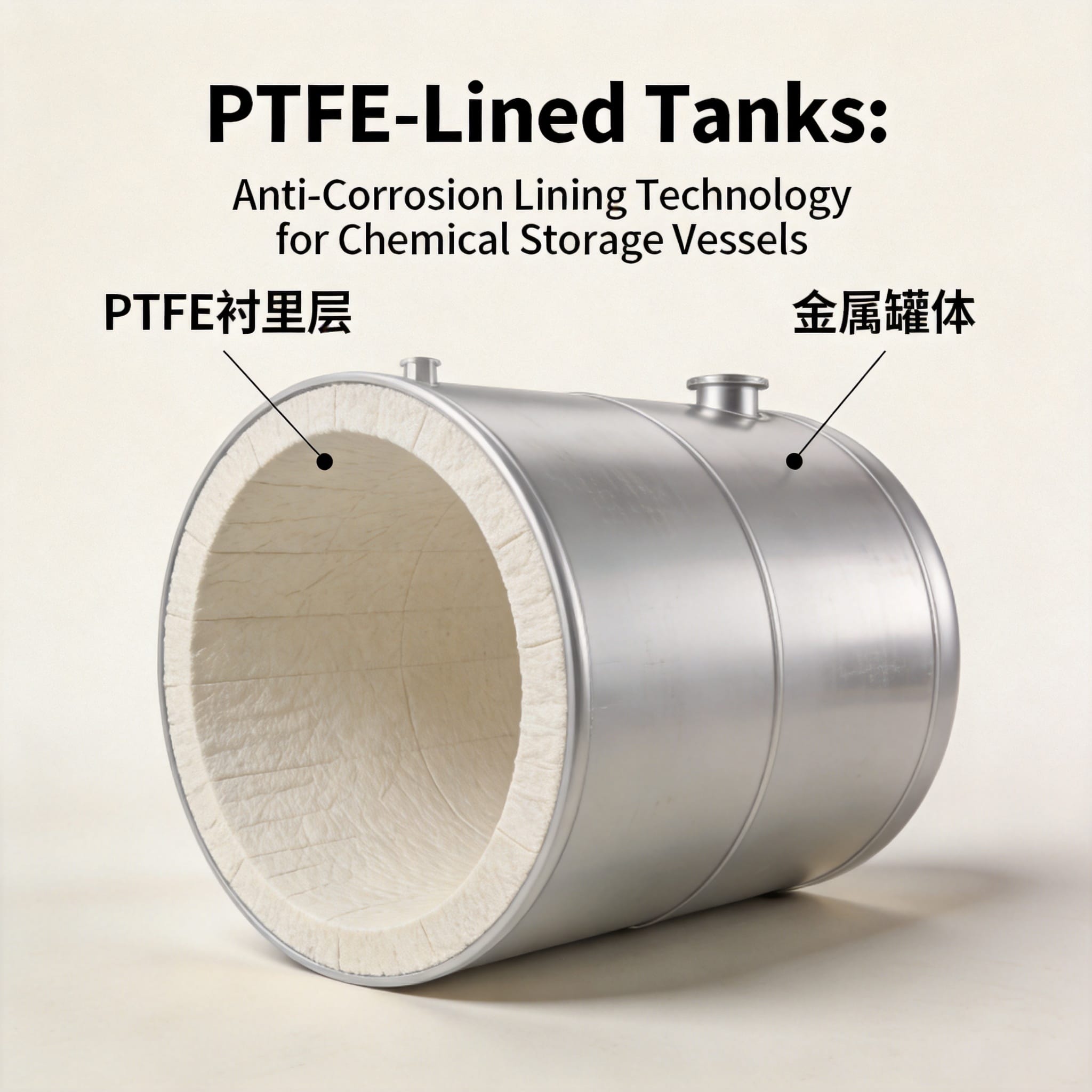
PTFE’s resistance to chemicals and high temperatures makes it ideal for transporting corrosive substances in chemical plants.
Electronics
In electronics manufacturing, PTFE tubes are used for insulation and protection against extreme temperatures.
Automotive
PTFE tubes are employed in automotive applications where exposure to high temperatures and chemicals is common, such as in fuel systems.
Best Practices for Using PTFE Tubes
To maximize the performance and lifespan of PTFE tubes, consider the following best practices:
Proper Installation
Ensure that PTFE tubes are installed correctly with adequate allowance for thermal expansion and contraction.
Regular Inspection
Periodically inspect PTFE tubing for signs of wear, deformation, or damage, especially in high-temperature applications.
Adhering to Manufacturer Guidelines
Always follow the manufacturer’s guidelines for temperature limits and other operational parameters to prevent premature failure.
Conclusion
Understanding the maximum temperature limits for PTFE tubes is essential for ensuring their effectiveness and durability in various applications. By adhering to recommended temperature ranges and best practices, you can harness the full potential of PTFE’s remarkable properties. Whether you’re working in chemical processing, electronics, or automotive industries, PTFE tubes offer reliable performance even in the most demanding environments.
By keeping these guidelines in mind, you can ensure that your PTFE tubing operates safely and efficiently, maximizing both performance and lifespan.


 English
 Russian
 French
 Spanish