
Every machinery enthusiast understands that the smallest component can sometimes be the most crucial. Imagine a world where your equipment performs at peak efficiency, running smoothly without unexpected hiccups. It may sound like a dream, but with custom PTFE seals, this dream is much closer to reality than you might think. These seemingly modest components are quietly revolutionizing industries, offering unparalleled durability and versatility. But how exactly can they transform your equipment and unlock its full potential?
In today’s fast-paced industrial landscape, maximizing operational efficiency isn’t just a goal; it’s a necessity. Custom PTFE seals are not only pivotal in reducing wear and tear but can also significantly extend the lifespan of your machinery. Their unique properties—such as resistance to high temperatures and chemical exposure—ensure that they stand the test of time, providing robust and reliable performance. As we delve into the advantages of these innovative seals, you’ll discover how they can be the key to unlocking new levels of efficiency and reliability for your equipment.

The Basics of Custom PTFE Seals
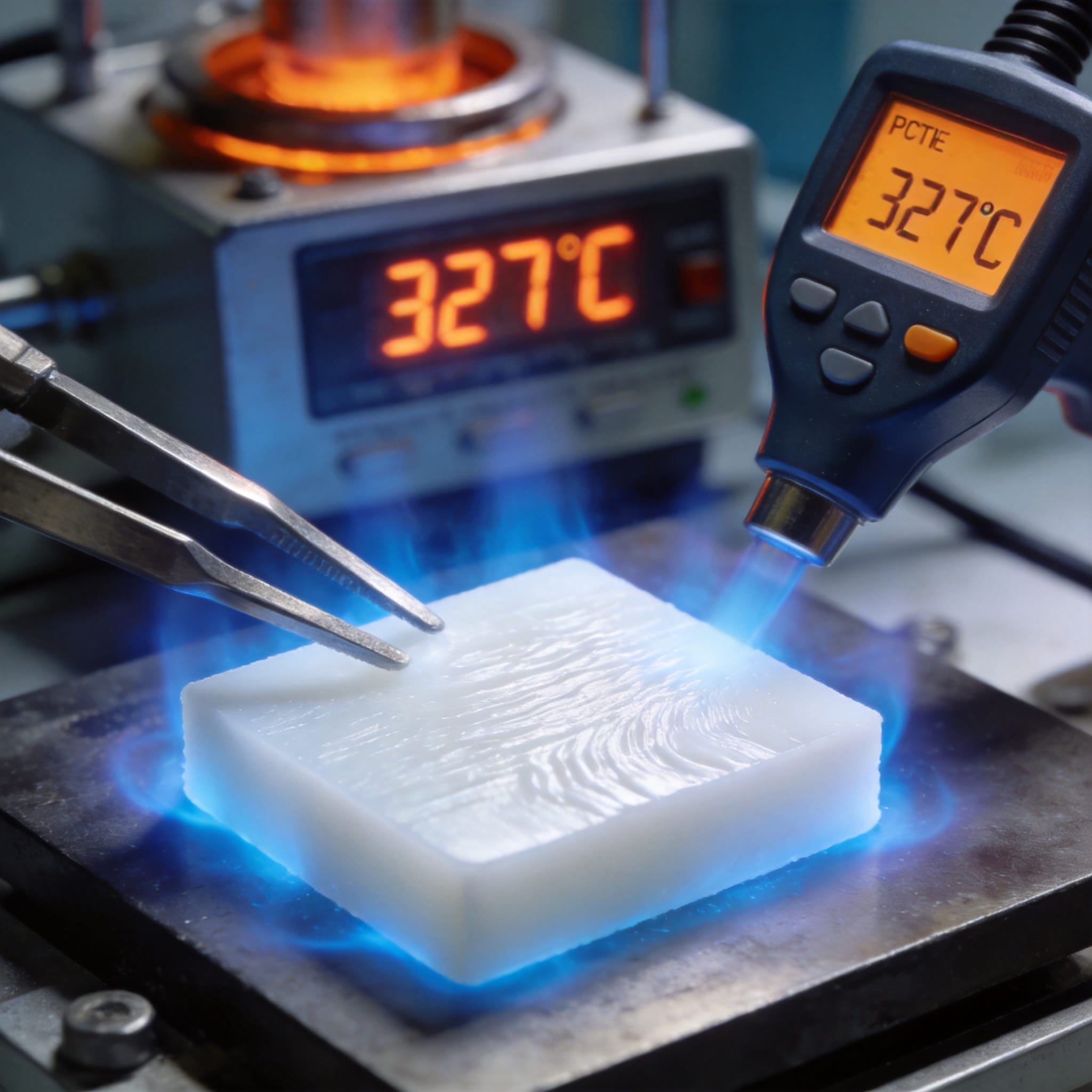
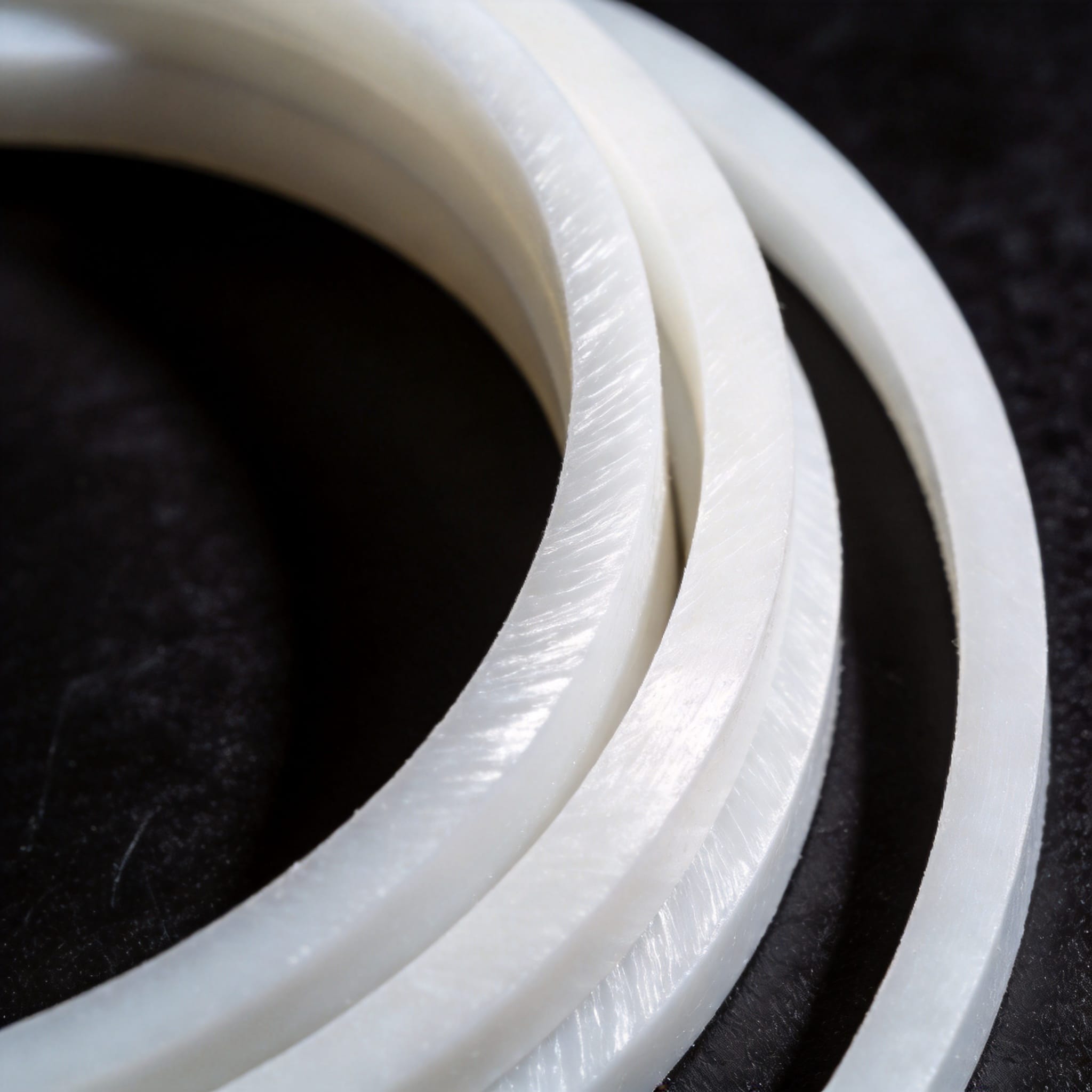
Polytetrafluoroethylene (PTFE) is a synthetic fluoropolymer renowned for its exceptional chemical resistance, low friction coefficient, and remarkable temperature tolerance. When manufactured into seals, PTFE offers a non-reactive barrier against a wide array of aggressive chemicals and extreme heat. Custom PTFE seals take these inherent properties a step further by tailoring dimensions, geometries, and tolerances to meet the exacting demands of specific applications. This customization ensures optimal contact and compression, reducing leakage and enhancing overall seal performance—critical factors in industries such as aerospace, automotive, and chemical processing.
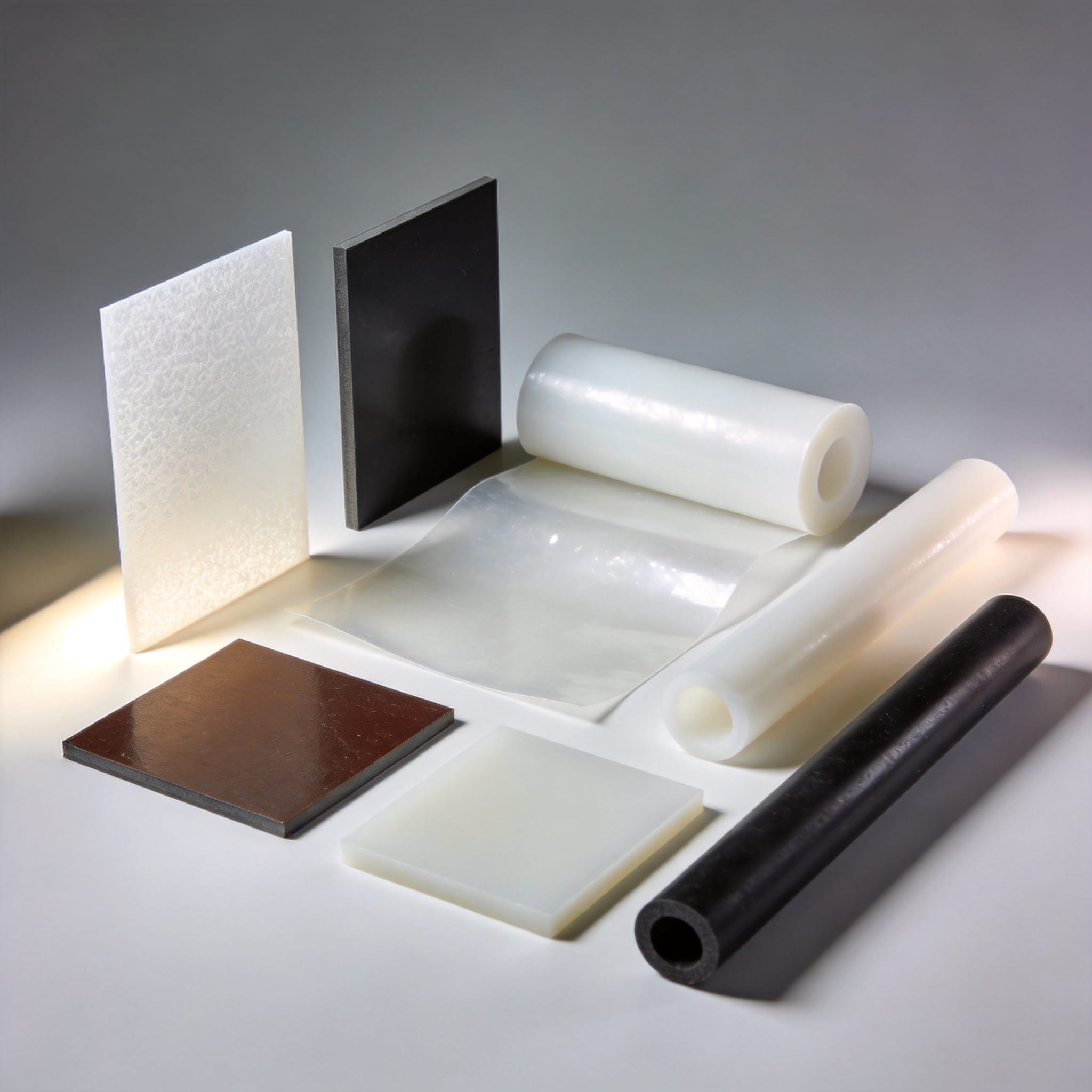
Unlike standard, off-the-shelf seals, custom PTFE seals can be designed to accommodate non-standard bores, shafts, and housings. This flexibility enables engineers to maintain consistent sealing force across the contact surface, minimizing wear and preventing failure under dynamic conditions. The manufacturing processes—such as machining, molding, and skiving—allow for intricate profiles and thin-section designs that would be impossible with traditional elastomeric materials. As a result, custom PTFE seals deliver consistent performance in demanding environments where tolerances are tight and reliability is non-negotiable.
Moreover, the low friction characteristics of PTFE reduce heat generation during operation, preventing premature degradation of both the seal and mating surfaces. Combined with its broad temperature range—from cryogenic levels up to 260°C—custom PTFE seals ensure dependable performance in applications from deep-freeze food processing to high-temperature steam systems. By understanding the material’s unique properties and leveraging precision manufacturing techniques, businesses can harness the full potential of custom PTFE seals to protect critical equipment and maintain uninterrupted operations.
Importance of Customization for Optimal Performance
One of the primary advantages of opting for custom PTFE seals lies in the precise fit and tailored characteristics that result from detailed design parameters. Every piece of equipment operates under a unique set of conditions—pressure, temperature, chemical exposure, and dynamic motion all vary. Off-the-shelf solutions often force compromises, leading to suboptimal sealing performance, increased friction, or premature failure. By customizing the seal’s cross-sectional profile, lip design, and surface finish, engineers can achieve the exact balance of compression, flexibility, and durability required for peak efficiency.
Customization also allows for the integration of specialized features such as metal or fabric reinforcements, back-up rings, and spring-energized designs. These enhancements elevate the seal’s ability to maintain contact pressure, resist extrusion in high-pressure applications, and accommodate shaft misalignment. For example, adding a stainless-steel garter spring to a custom PTFE seal ensures consistent radial force, even under temperature fluctuations or variable loads. Such innovations not only extend the service life of the seal but also reduce maintenance intervals and overall operating costs.
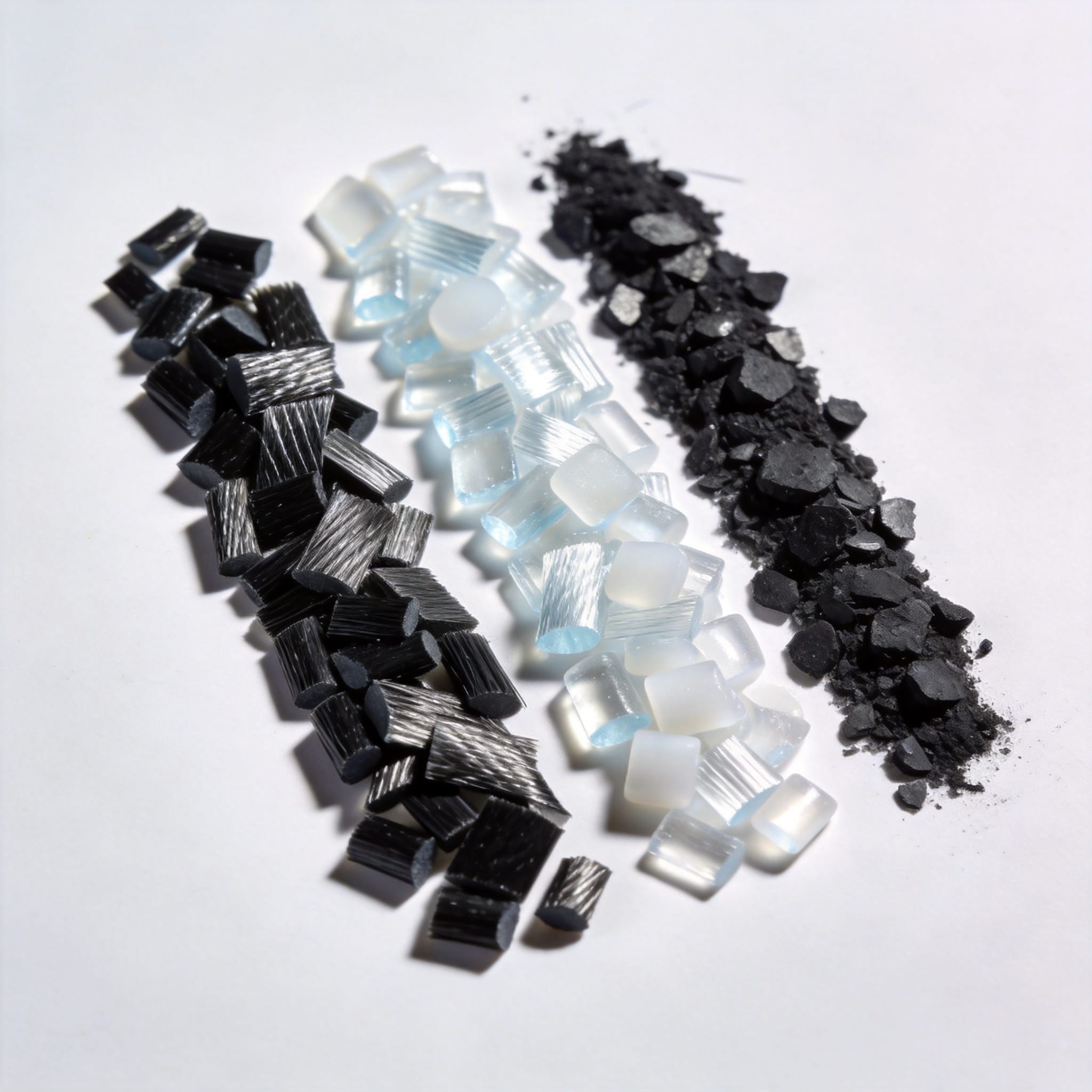
Furthermore, by specifying surface treatments or proprietary PTFE blends—such as filled grades with graphite, carbon, or bronze—manufacturers can fine-tune friction, wear resistance, and conductivity. This level of control over material composition and seal geometry minimizes downtime and optimizes energy efficiency. In industries where every ounce of performance and reliability counts, the investment in custom PTFE seals pays dividends through enhanced equipment longevity, reduced leakage risk, and improved process stability.
Exploring Applications Across Industries
Custom PTFE seals have found a foothold in diverse sectors, each presenting distinct challenges that benefit from PTFE’s unique properties. In the chemical processing industry, aggressive solvents, acids, and corrosive gases demand seals that can withstand continuous exposure without swelling or degradation. Custom designs ensure reliable containment of hazardous fluids, safeguarding both personnel and the environment. Meanwhile, semiconductor manufacturing relies on ultra-pure processes; here, PTFE’s inertness and low outgassing keep contamination to a minimum.
In the food and pharmaceutical industries, regulatory compliance and sanitary requirements necessitate materials that are non-toxic, easy to sterilize, and resistant to steam and cleaning agents. Custom PTFE seals can be designed with smooth surfaces and minimal crevices to prevent bacterial growth, ensuring product purity. Meanwhile, the automotive sector leverages PTFE’s high-temperature stability and low friction to improve fuel efficiency and reduce wear in engines, transmissions, and fuel systems. Even in renewable energy, custom PTFE seals play a critical role—sealing hydraulic units in wind turbines and ensuring leak-free operation in solar tracking systems subjected to extreme environmental conditions.
Across these varied applications, the ability to tailor dimensions, incorporate reinforcing elements, and select specialized PTFE grades makes custom PTFE seals the go-to solution for challenges where reliability, longevity, and performance are paramount. As industries continue to push the boundaries of operational efficiency and safety, these adaptable components will remain indispensable in achieving consistent, high-performance sealing solutions.
Comparing PTFE Seals to Traditional Options
Traditional elastomeric seals—such as those made from nitrile rubber (NBR), fluoroelastomer (FKM), or silicone—are often the default choice for general-purpose applications. While these materials offer excellent elasticity and low initial cost, they struggle in environments with extreme temperatures, aggressive chemicals, or high wear conditions. In contrast, custom PTFE seals maintain their structural integrity and sealing performance across a broader spectrum of challenges. For instance, where FKM may lose elasticity above 200°C, PTFE continues to function reliably up to 260°C without cold flow or deformation.
Moreover, elastomeric seals can suffer from high friction, leading to increased torque requirements and energy losses. PTFE’s inherently low friction coefficient reduces drag, minimizing power consumption in rotating equipment and prolonging the life of both seal and mating surfaces. When customized with advanced fillers like graphite or bronze, PTFE seals can match or exceed the wear resistance of some metal-based sealing solutions, offering a combination of resilience and whisper-quiet operation.
Another critical comparison point is chemical compatibility. Elastomers typically swell or degrade when exposed to oils, fuels, or harsh solvents, necessitating frequent replacement and raising the risk of unplanned downtime. Custom PTFE seals, however, remain impervious to virtually all chemicals, ensuring stable performance over extended service intervals. While the initial investment in custom PTFE seals may be higher than standard elastomeric options, the long-term savings from reduced maintenance, fewer leaks, and extended equipment life overwhelmingly justify the cost.
Conclusion: Embracing Efficiency Through Custom PTFE Seals
In today’s competitive industrial landscape, every component counts. Custom PTFE seals deliver unparalleled durability, chemical resistance, and temperature tolerance, making them an invaluable asset for optimizing equipment performance. By tailoring seal geometry and material composition, businesses can achieve superior sealing integrity while minimizing maintenance and downtime.
Embracing custom PTFE seals isn’t just about solving immediate sealing challenges—it’s about investing in long-term operational efficiency and reliability. Unlock the full potential of your machinery with these innovative seals and experience a new standard of performance and peace of mind.


 English
 Russian
 French
 Spanish