
Imagine a world where your non-stick cookware could withstand blazing heat without batting an eye. Have you ever wondered just how hot Teflon, the magical coating that keeps your omelettes from sticking, can actually get? Despite its everyday use in kitchens around the globe, many of us overlook what makes Teflon both indispensable and fascinating. By delving into the science behind the Teflon maximum temperature, we’re not only exploring the limits of this ubiquitous material but also understanding its remarkable versatility in various applications.
Teflon, or polytetrafluoroethylene (PTFE), has become synonymous with convenience and efficiency in cooking. However, its properties extend far beyond the frying pan. Originally discovered in the 1930s, Teflon is known for its impressive thermal resilience, chemical inertness, and non-reactive nature. This blog post will take you on a journey through the engineering marvels that allow Teflon to perform under extreme conditions and will reveal insights into how understanding these limits can help you make informed decisions about your kitchen tools. Buckle up, as we turn up the heat and uncover the true capabilities of Teflon!
The Science Behind Teflon’s Thermal Resilience
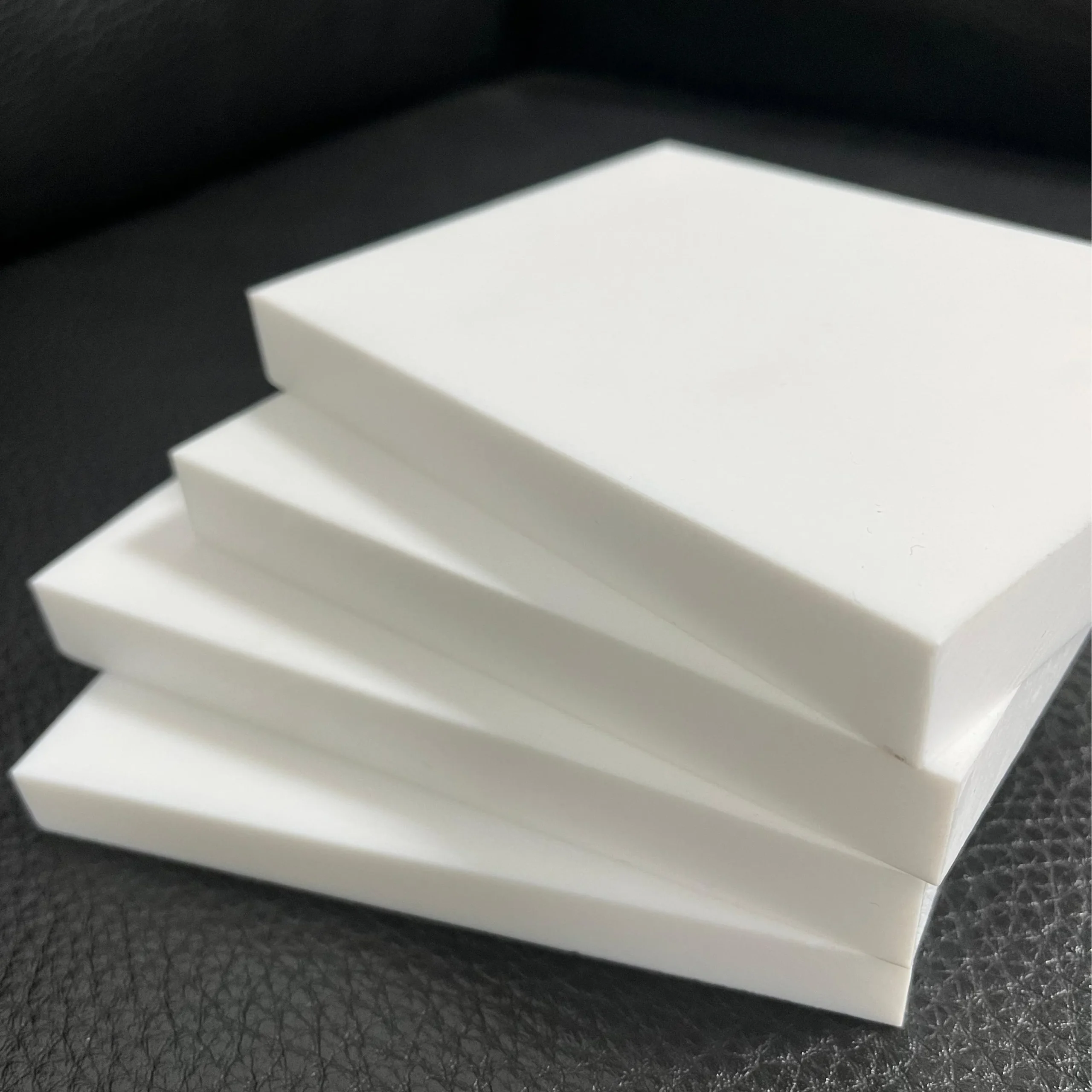
At the heart of Teflon’s extraordinary heat resistance is its unique molecular structure. Polytetrafluoroethylene (PTFE) consists of a long carbon backbone with fluorine atoms densely packed around it. Those carbon–fluorine bonds are among the strongest in organic chemistry, which gives Teflon its high melting point—around 327°C (620°F)—and exceptional stability. When engineers refer to the Teflon maximum temperature, they consider not just its melting point, but also the threshold at which thermal degradation begins to release toxic byproducts.
Under moderate heating, PTFE remains solid and retains its non-stick characteristics, thanks to its semi-crystalline nature. The crystalline regions provide mechanical strength, while the amorphous areas offer flexibility. This balance allows cookware to flex slightly without cracking or flaking. It also contributes to Teflon’s low thermal conductivity, meaning heat is distributed evenly but does not travel too rapidly, reducing hot spots that can damage food.
Once temperatures exceed roughly 260°C (500°F), microscopic changes begin to occur within the polymer chains. Slow depolymerization starts, but significant decomposition only happens above 350–400°C (662–752°F). Beyond this range, PTFE can break down into smaller fluorocarbon fragments, releasing fumes that can be hazardous if inhaled. Understanding these thresholds is key to maintaining safety and performance when pushing your cookware to its operational limits.
Teflon’s Performance in High-Temperature Environments
In professional kitchens and industrial settings alike, the Teflon maximum temperature determines where and how PTFE can be employed safely. For everyday stovetop applications, manufacturers specify a maximum recommended surface temperature of around 260°C (500°F). Staying below this limit ensures that the coating retains its integrity and non-stick properties while avoiding the risk of polymer breakdown and toxic fumes.
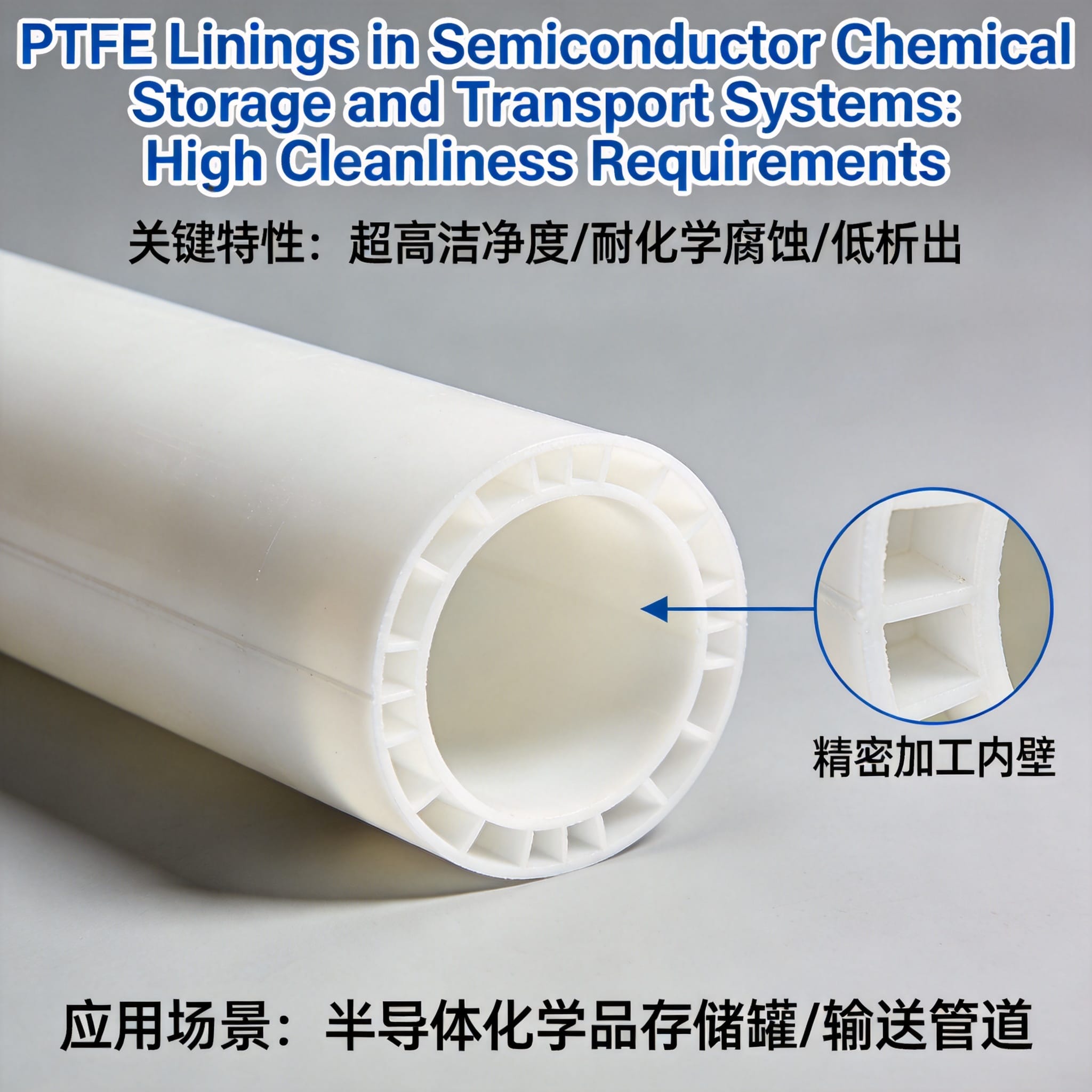
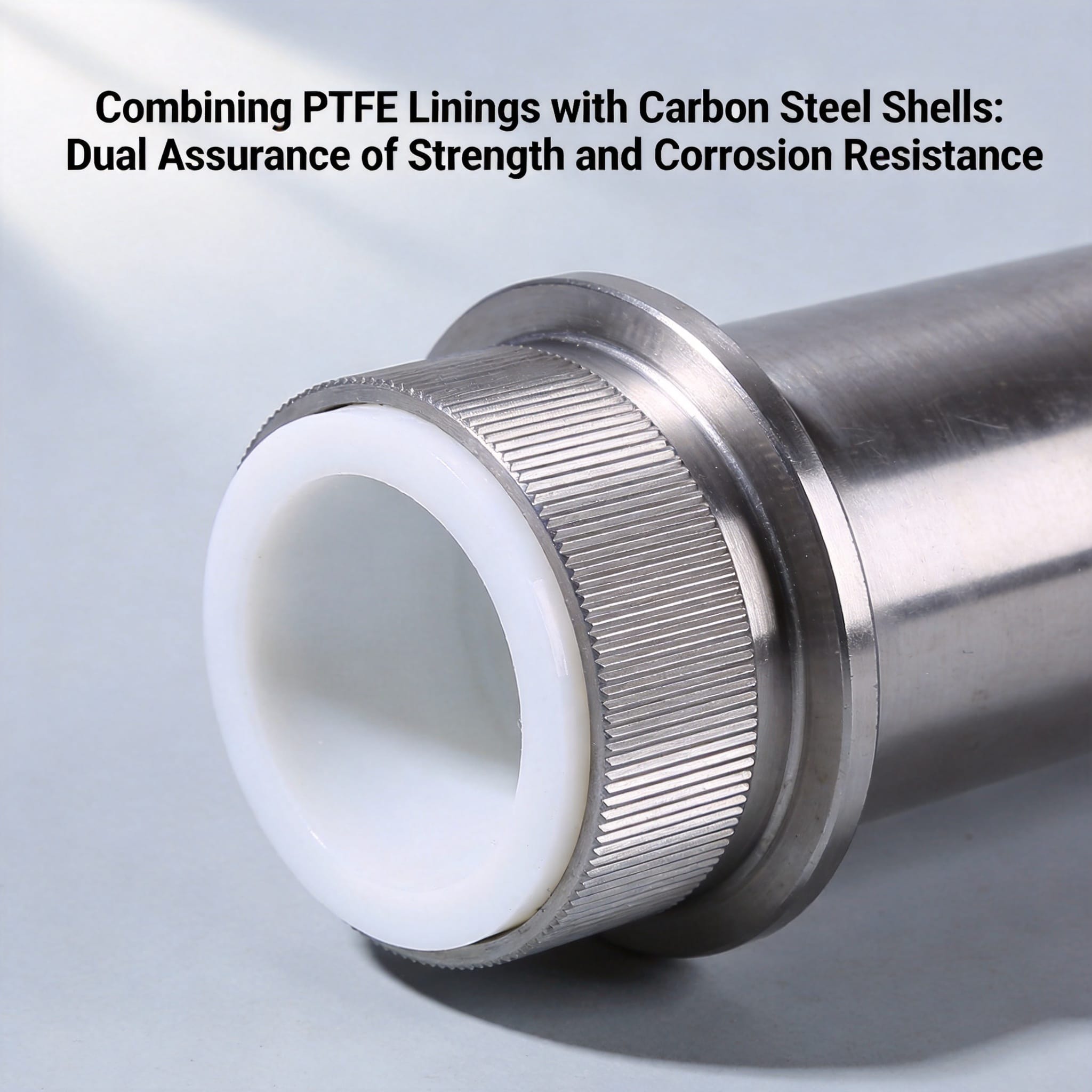
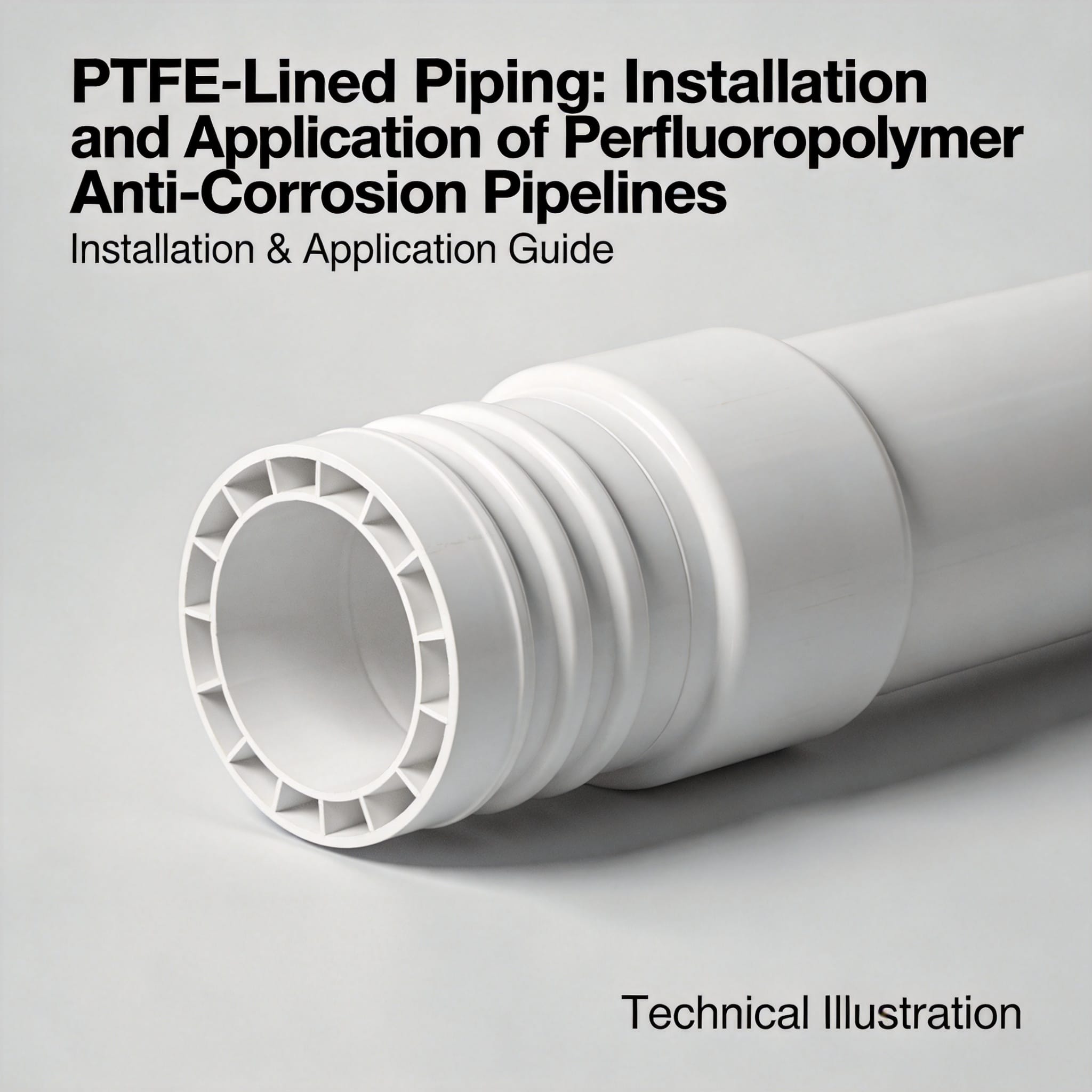
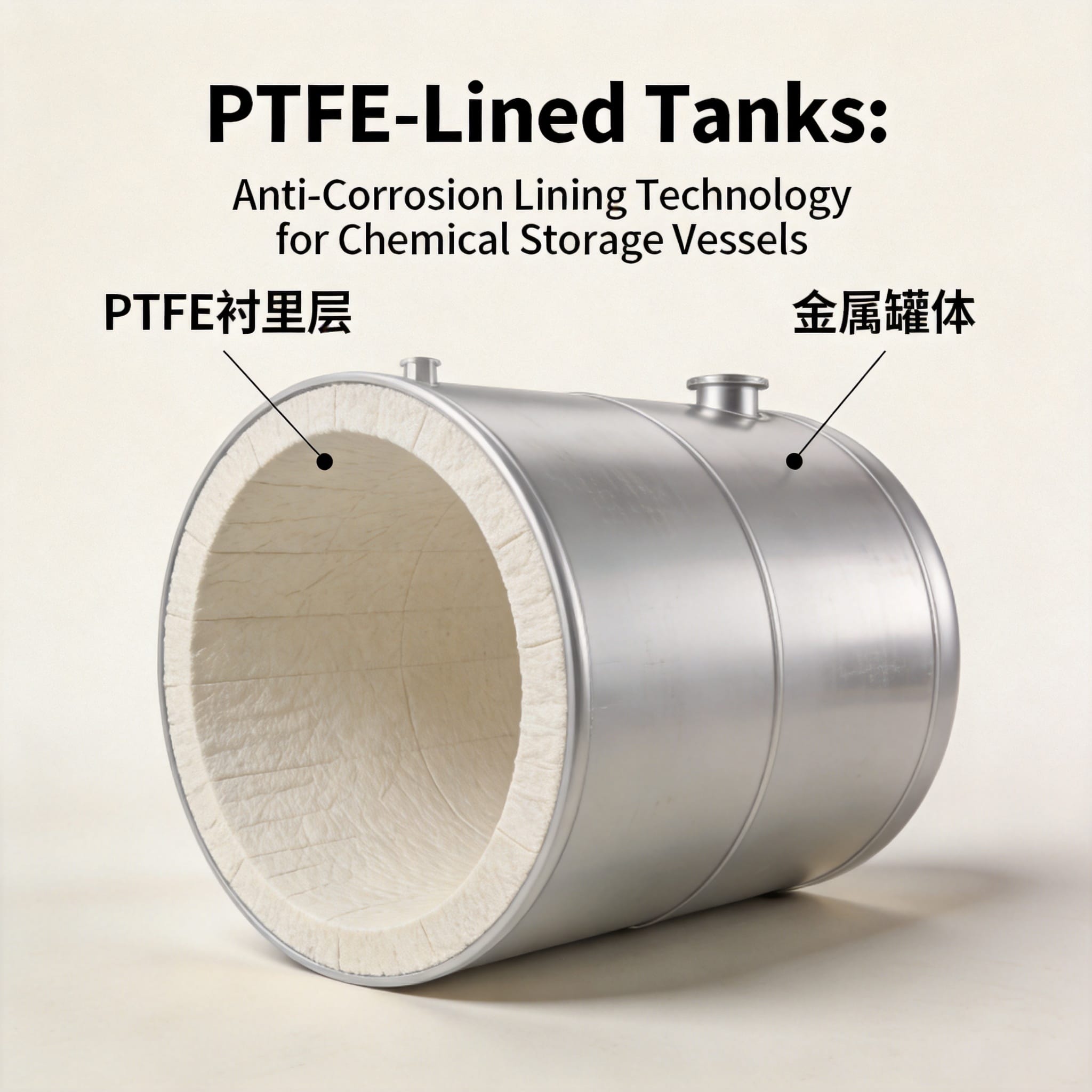
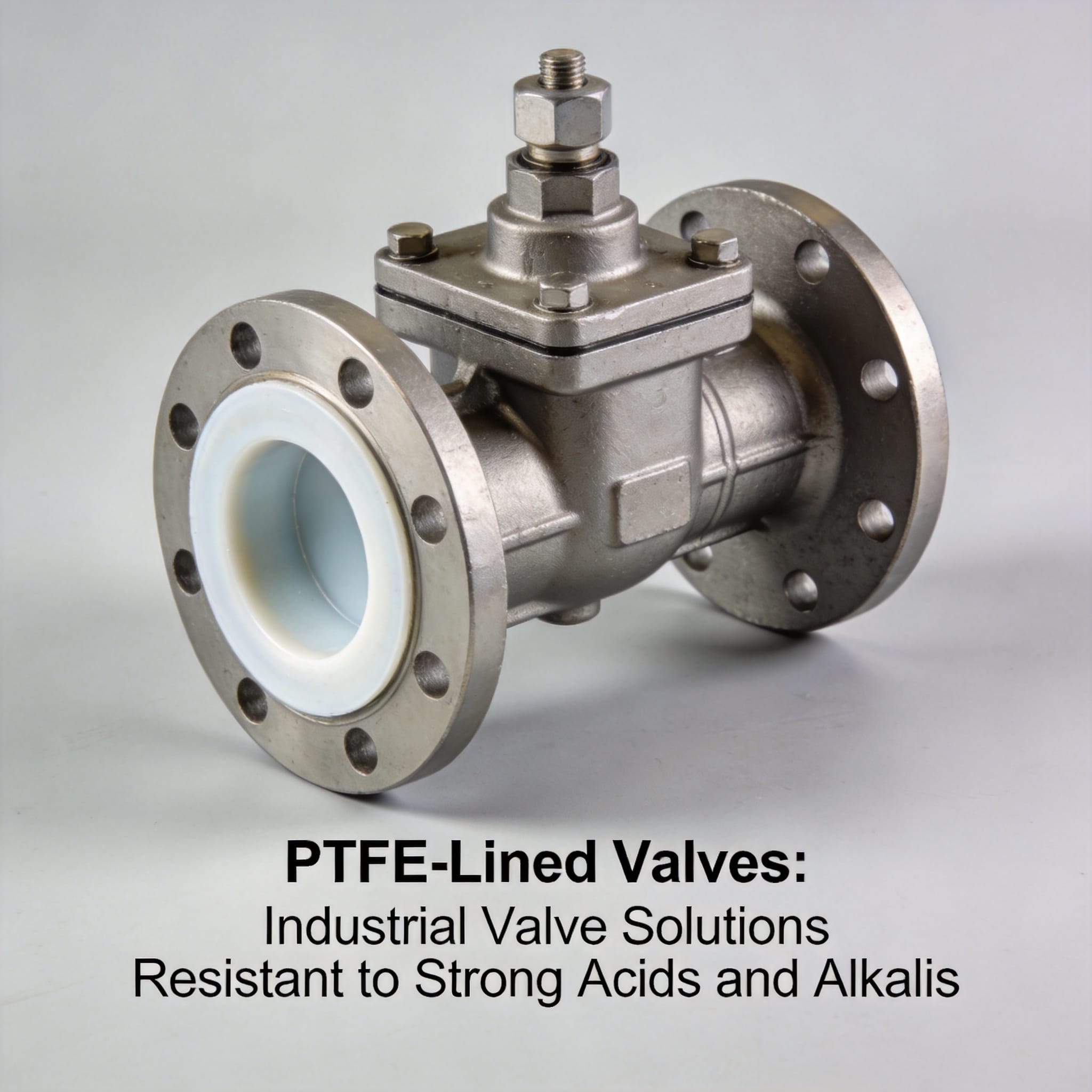
Beyond the kitchen, Teflon’s thermal resilience finds use in aerospace, chemical processing, and electronics. Turbine components, insulated wiring, and gaskets benefit from PTFE’s stability under extreme heat. In such environments, PTFE often serves as a secondary barrier or lining material, protecting structural metals and sensitive components from oxidation and corrosion at temperatures approaching 300°C (572°F).
When evaluating Teflon for high-temperature use, engineers take into account the total thermal cycle—how quickly it heats up, cools down, and endures repeated exposure. Rapid thermal cycling can induce microcracks, so cookware designed for commercial kitchens may incorporate reinforced PTFE blends or multi-layered constructions. This ensures long-term performance even when subjected to the rigors of professional cooking or industrial processing.
Understanding the Chemical Inertness of Teflon
Teflon’s legendary inertness stems from the electronegativity of fluorine atoms. The strong carbon–fluorine bonds create a protective “shield” around the polymer backbone, preventing reactive species—acids, bases, solvents—from attacking the material. This molecular fortress makes PTFE virtually non-reactive under most chemical exposures, from household cleaning agents to aggressive industrial solvents.
As a result, Teflon not only excels in maintaining its structure at elevated temperatures but also remains unaffected by corrosive chemicals. This dual property—thermal resilience and chemical inertness—enables its widespread application in environments where other polymers would fail. From laboratory beakers to high-performance seals, PTFE continues to set the standard for longevity and reliability under harsh conditions.
Tips for Maintaining Teflon Cookware’s Temperature Limits
To preserve the Teflon maximum temperature threshold and extend the life of your non-stick cookware, avoid heating an empty pan on high heat. An empty Teflon-coated surface can quickly surpass the safe 260°C mark, leading to irreversible damage and potential fume release. Always add oil, butter, or food before turning the temperature up.
Use medium to low heat settings whenever possible. Many home stoves exceed 260°C on their highest settings, so reserve high heat for brief searing tasks and immediately reduce the dial once the pan is hot. Employ a good-quality temperature probe or infrared thermometer to monitor surface heat in professional settings.
Additionally, avoid using metal utensils or abrasive cleaners on Teflon surfaces. Though not directly related to temperature, scratches and gouges compromise the coating and can create hotspots that degrade the polymer faster. Opt for silicone, wooden, or nylon tools, and clean with soft sponges and mild detergents. By combining sensible heat control with gentle handling, you’ll ensure your non-stick cookware remains safe, efficient, and long-lasting.
Conclusion: Unveiling the True Potential of Teflon
Teflon’s ability to withstand high heat without losing its non-stick properties is no accident—it’s the result of robust molecular engineering and the formidable strength of carbon–fluorine bonds. By understanding the Teflon maximum temperature and adhering to recommended usage guidelines, you can harness its full potential in cooking and beyond.
Whether you’re searing a steak or designing an aerospace component, PTFE continues to shine as the go-to material for thermal resilience and chemical inertness. Respect its limits, treat your cookware with care, and Teflon will keep performing at its best for years to come.

 English
 Russian
 French
 Spanish