
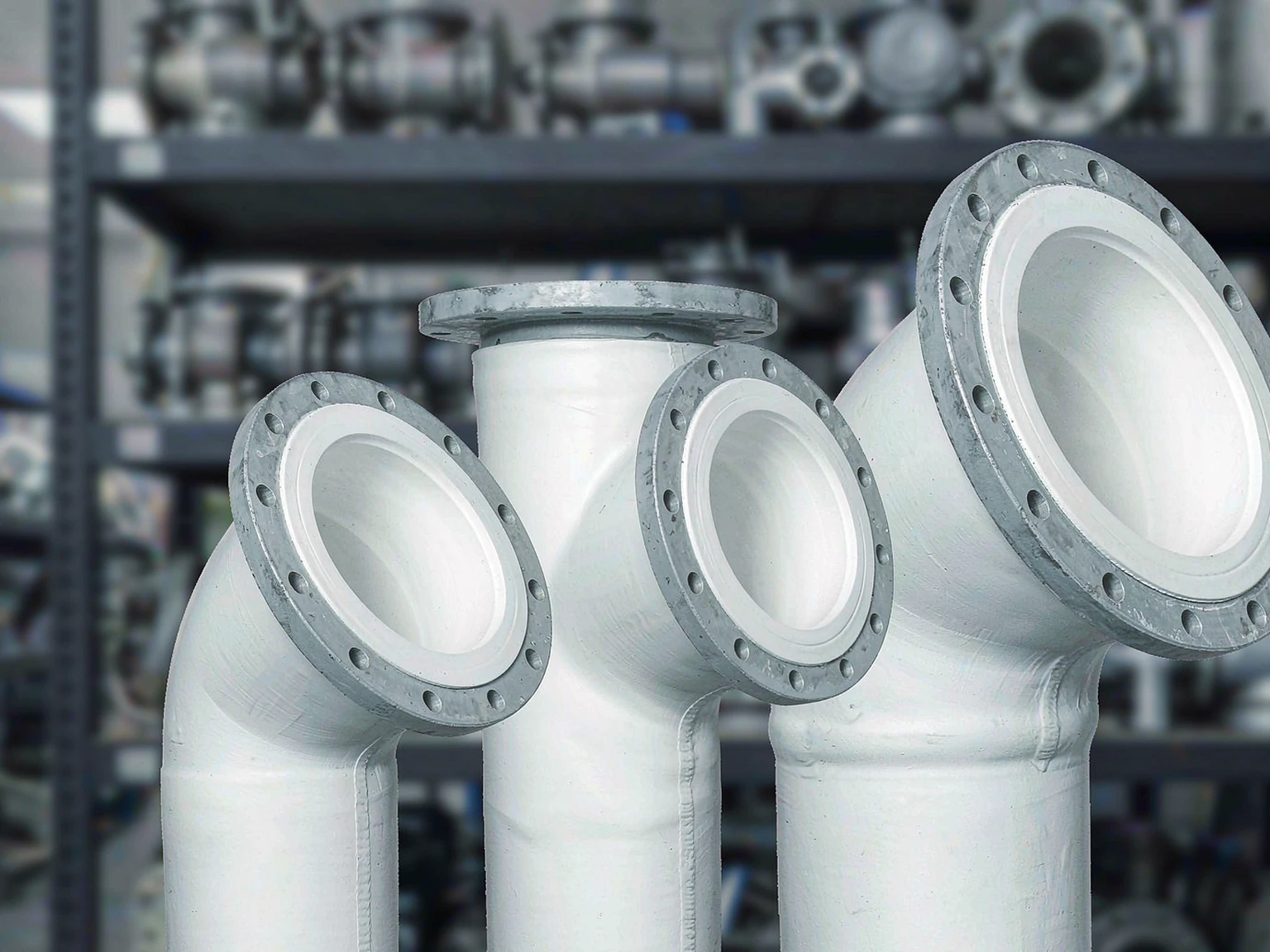
Short answer: For chemical tank linings, specify PTFE sheet by three parameters — minimum thickness (typically 3–5 mm for vessels), liner grade for the media (virgin PTFE for near-universal resistance; PFA for fewer seams and smoother surface), and joining method (welded seams with spark-testable continuity). The sheet itself is the easy part; the fabrication and QA of the lining is where tanks succeed or fail.
Bulk storage and reaction vessels see continuous immersion, temperature cycling, and occasionally vacuum — a harsher combination than most pipe applications. Sheet-based linings are the standard answer for tank internals because they can be formed and welded on site or at the fabricator.
Key Selection Questions, in Order
- What is the media, concentration, and temperature range — including excursions? PTFE handles nearly everything; the question is really about temperature-driven permeation and whether PFA’s better seam behavior is worth the premium.
- Is there vacuum or thermal cycling? Vacuum at temperature can collapse an unsupported liner; anchored or bonded designs are needed. Cycling drives differential expansion between liner and steel — seam design must absorb it.
- What thickness? 3 mm is a common minimum for immersion service; 5 mm where abrasion or long design life is expected. Confirm whether quoted thickness is nominal or minimum.
- How are seams made and tested? Welded seams should be 100% spark-tested per a defined procedure. Ask for the test voltage and records.
- How is the lining anchored? Loose, mechanically anchored, or adhesively bonded systems behave differently under vacuum and cycling.
PTFE vs PFA Sheet for Tank Work
| Factor | Feuille de PTFE | PFA sheet |
|---|---|---|
| Chemical resistance | Near-universal | Near-universal |
| Seam quality | Good, requires skill | Excellent — melt-processable, cleaner welds |
| Cost | Lower | Higher, offset on complex geometries |
| Permeation at temperature | Slightly higher | Slightly lower |
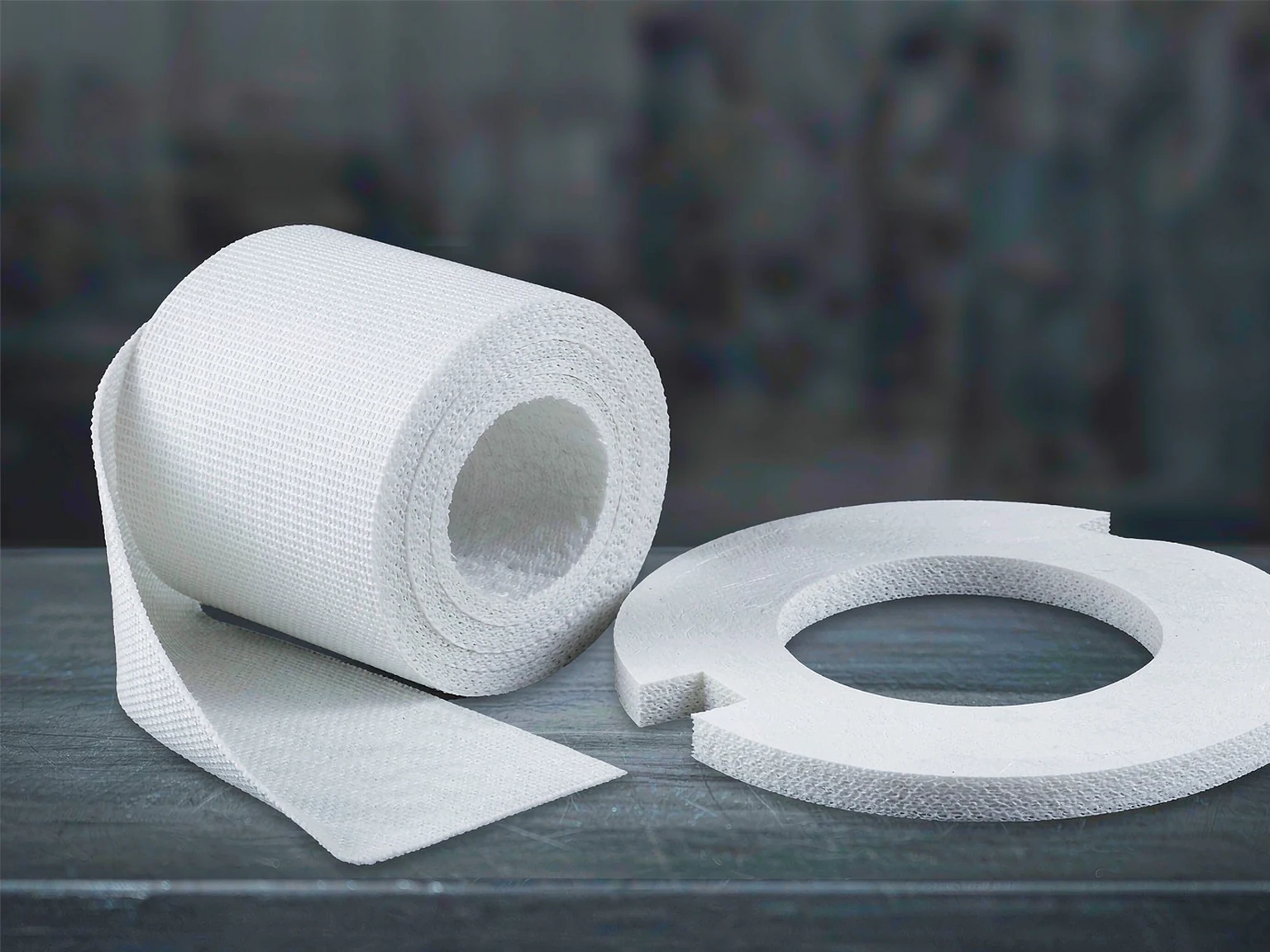
Chunhuan supplies PTFE and PFA lining sheet in roll and cut sizes with lot certificates, and supports fabricators with spark-test procedures and weld-parameter guidance developed over decades of lining work.
Frequently Asked Questions
What thickness PTFE sheet for tank lining?
3 mm is a common minimum for immersion service; 5 mm where abrasion resistance or longer design life is required. Specify minimum, not nominal, thickness in contracts.
Is PFA sheet better than PTFE for tank linings?
PFA welds more cleanly and shows slightly lower permeation, which helps on complex geometries. PTFE is more economical and equally chemical-resistant; many fabricators use both by zone.
How are PTFE tank lining seams tested?
Welded seams should undergo 100% spark (high-voltage) testing against a defined procedure, with records retained per lot. Ask for the voltage and test report format.
Does vacuum affect PTFE tank lining design?
Yes. Vacuum at temperature can collapse an unsupported liner — anchored or bonded lining systems are required, and this must be stated at the design stage.

 English
 Russian
 French
 Spanish
