
Short answer: Evaluating PTFE sheets for electrical insulation comes down to five checks: dielectric strength (≥10 kV/mm short-term is typical for good virgin material, but ask for tested values, not datasheet promises), thickness uniformity (thin spots are where insulation fails), void/density quality (voids become partial-discharge sites), cleanliness (contamination kills surface resistance), and certification scope (lot-tested values for your batch). For high-reliability insulation, ask for the test report on your actual lot.
PTFE is one of the best electrical insulators available — volume resistivity above 10^16 ohm·cm, low dielectric constant, stable across temperature and frequency. The evaluation question is never “is PTFE a good insulator” but “is this particular sheet good enough for my voltage and my environment.”
The Five Checks
- Dielectric strength: ask for tested kV/mm values at your thickness — thin sheet tests higher per mm than thick. For critical service, request dielectric testing on your lot, not the resin datasheet.
- Thickness uniformity: insulation is only as good as its thinnest point. Ask for the measurement map or tolerance band across the sheet, especially for skived material.
- Void control: molded PTFE can contain micro-voids that become partial-discharge sites under high voltage. For HV service, ask about density consistency and any void-content testing.
- Cleanliness and handling: dust, moisture films and fingerprints degrade surface resistance. Sealed packaging and clean handling matter more than people expect.
- Grade discipline: virgin PTFE for insulation; filled grades (carbon especially) are conductive or semi-conductive by design — a catastrophic wrong choice.
Duty-Specific Notes
| Application | Extra attention on |
|---|---|
| Busbar/terminal insulation | Thickness at edges; punch/burr quality |
| High-frequency RF | Dielectric constant consistency, low loss factor |
| High voltage, humid environment | Surface condition, creepage design, cleanliness |
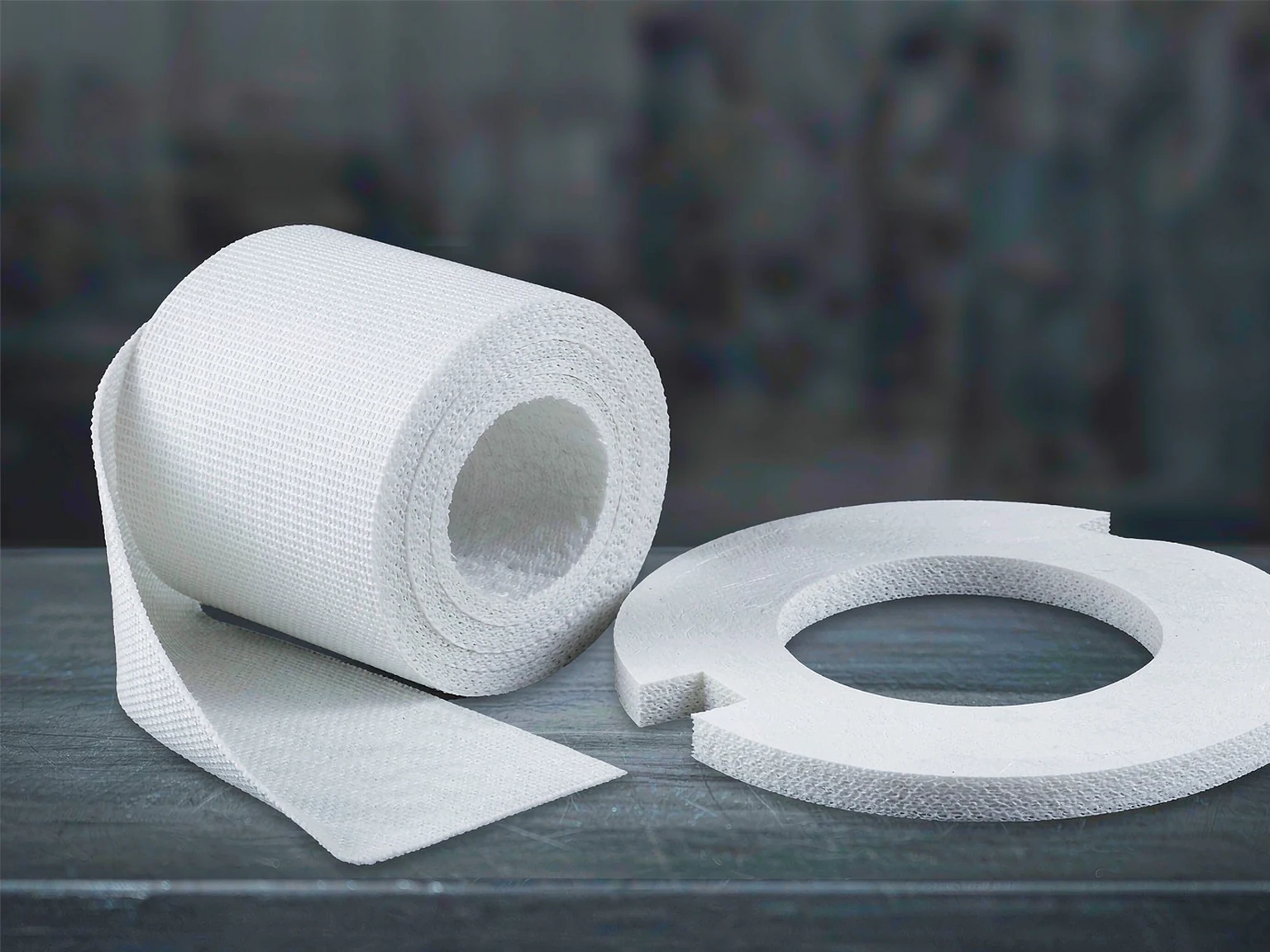
Chunhuan supplies virgin PTFE sheet for insulation duties with lot-level dielectric and thickness records, void-consistent molding, and sealed clean packaging.
Frequently Asked Questions
What dielectric strength should PTFE insulation sheet have?
Short-term values of 10 kV/mm and above are typical for good virgin material — but ask for tested values at your thickness and, for critical service, your actual lot.
Which PTFE grade is used for electrical insulation?
Virgin PTFE only. Filled grades — carbon especially — are conductive by design and would be a catastrophic wrong selection.
Why do voids matter in PTFE insulation?
Micro-voids become partial-discharge sites under high voltage, degrading insulation over time. Ask about density consistency and void testing for HV service.
Does thickness uniformity affect PTFE insulation quality?
Directly — insulation fails at its thinnest point. Request thickness tolerance or a measurement map, particularly for skived sheet.


 English
 Russian
 French
 Spanish
