
Imagine a world where surfaces are so smooth that nothing sticks, temperatures reach extremes without a fuss, and chemicals are kept at bay with ease. This isn’t a sci-fi fantasy; it’s the remarkable reality offered by PTFE Teflon sheets. Known for their unique properties, these sheets have revolutionized industries, from cookware to aerospace, becoming an essential material in various high-performance applications. While its non-stick nature is legendary in household kitchens, the true marvel of the PTFE Teflon sheet lies in its versatility and resilience across a diverse range of fields.
Yet, beyond the kitchen, many remain unaware of the full scope of its capabilities. Consider the medical field, where PTFE Teflon sheets are utilized for their unmatched sterility and safety, or the automotive industry, where they withstand harsh conditions while maintaining performance. In the Ultimate Guide to PTFE Teflon Sheet, we unravel these compelling applications, explore the myriad benefits, and highlight why this material continues to be a game-changer, transforming how industries approach challenges and solutions. Ready to discover more about this unsung hero? Let’s dive into the fascinating world of PTFE Teflon sheets.

History and Properties of PTFE Teflon Sheet
The story of the PTFE Teflon sheet begins in 1938 when chemist Roy Plunkett accidentally discovered polytetrafluoroethylene while researching new refrigerants. What started as a laboratory curiosity soon turned into a revolutionary material, thanks to its extraordinary molecular structure featuring a chain of carbon atoms enveloped by fluorine atoms. This configuration imparts exceptional chemical inertness, a low friction coefficient, and a wide operating temperature range from –200 °C to +260 °C. The introduction of PTFE under the brand name “Teflon” by DuPont in 1945 marked the start of a material revolution that would reshape countless industries.
Properties of the PTFE Teflon sheet are truly unparalleled. Its non-stick nature originates from the strong carbon-fluorine bonds, creating a surface with the lowest coefficient of friction among solid materials. Additionally, it exhibits outstanding chemical resistance, remaining unaffected by nearly all solvents, acids, and bases. This chemical inertness makes it ideal for lining tanks, gaskets, and seals in corrosive environments. Another key advantage is its high dielectric strength, which enables the use of PTFE sheets as insulating barriers in high-voltage applications. Finally, the material’s biocompatibility and FDA approval for food contact have broadened its use in medical devices and food processing, underscoring the versatile properties that have driven its widespread adoption over the past eight decades.
Industrial Applications in Manufacturing
In manufacturing settings, the PTFE Teflon sheet has become indispensable for processes demanding high durability and chemical resistance. Its low-friction surface is ideal for conveyor belts, guide rails, and bushings, reducing wear and extending machinery life. Furthermore, the sheet’s high-temperature tolerance allows it to serve as liners for ovens, autoclaves, and other thermal processing equipment, ensuring consistent performance under extreme heat.
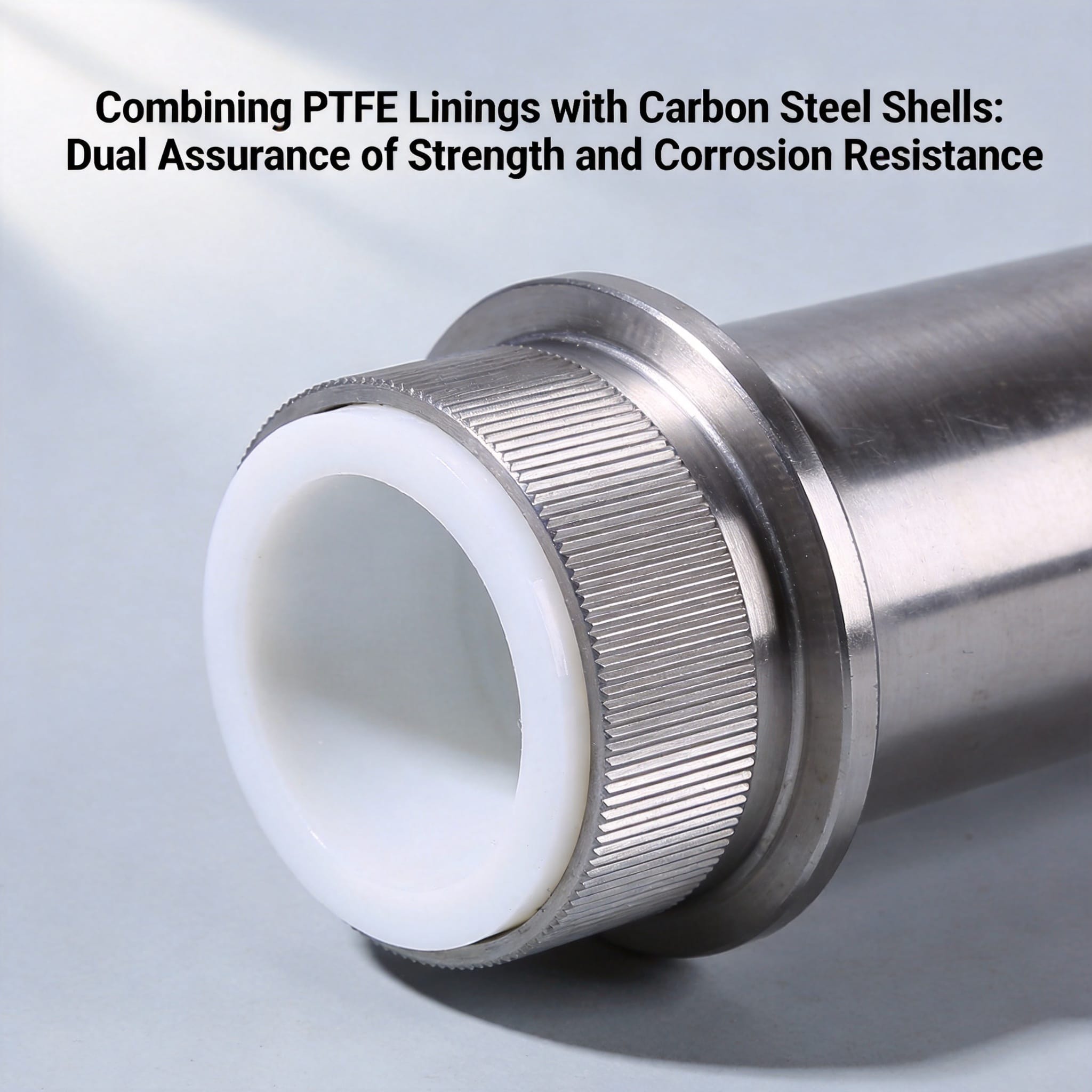
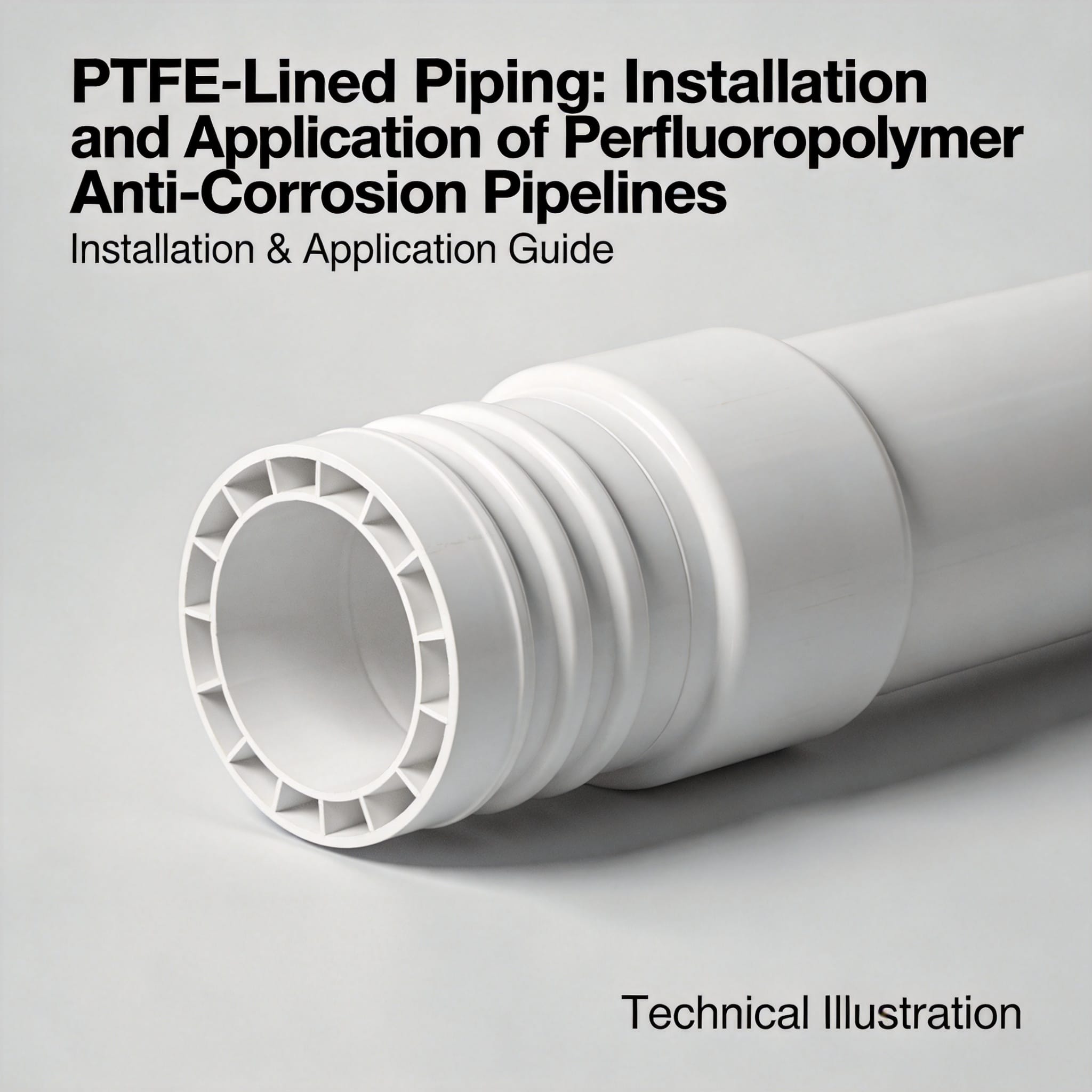
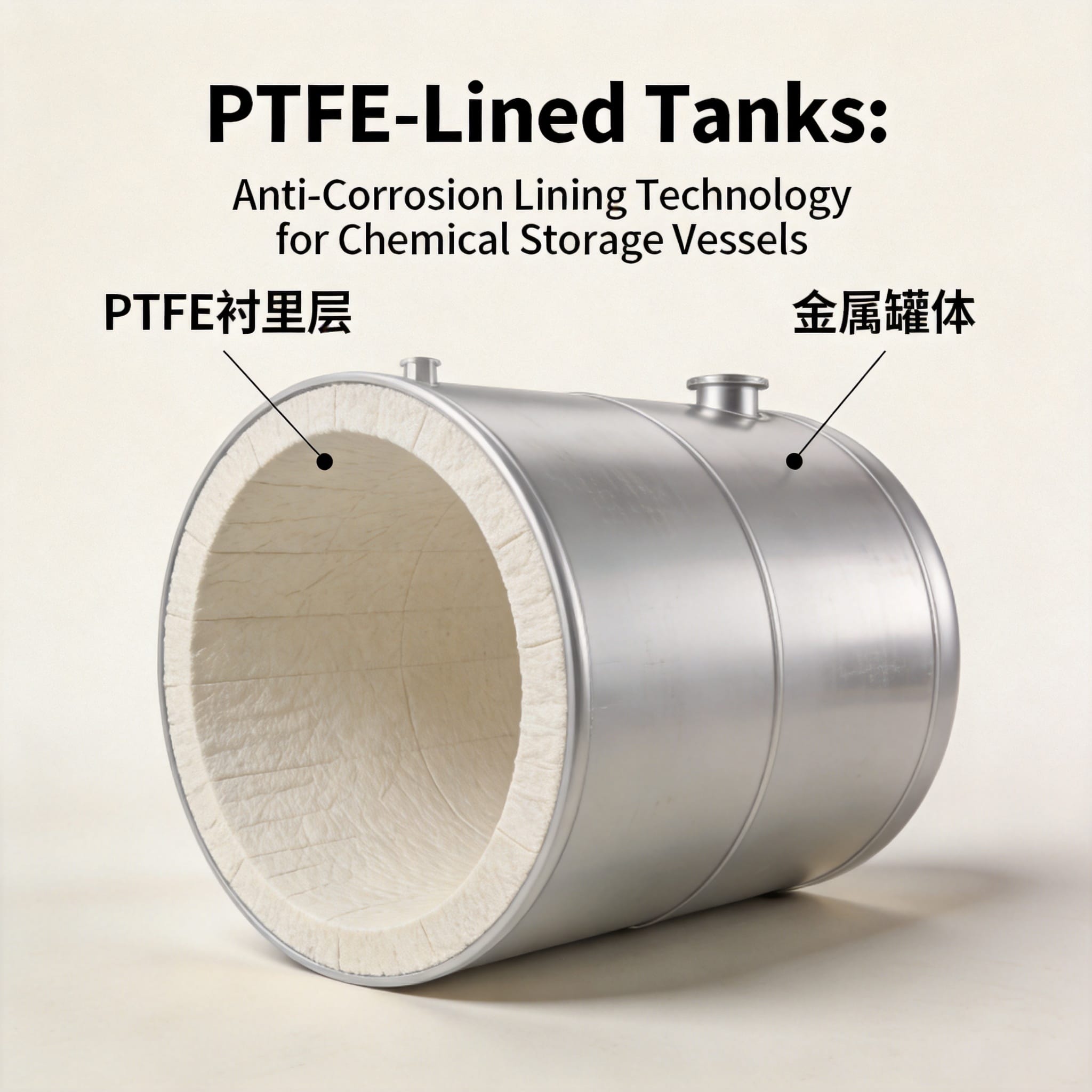
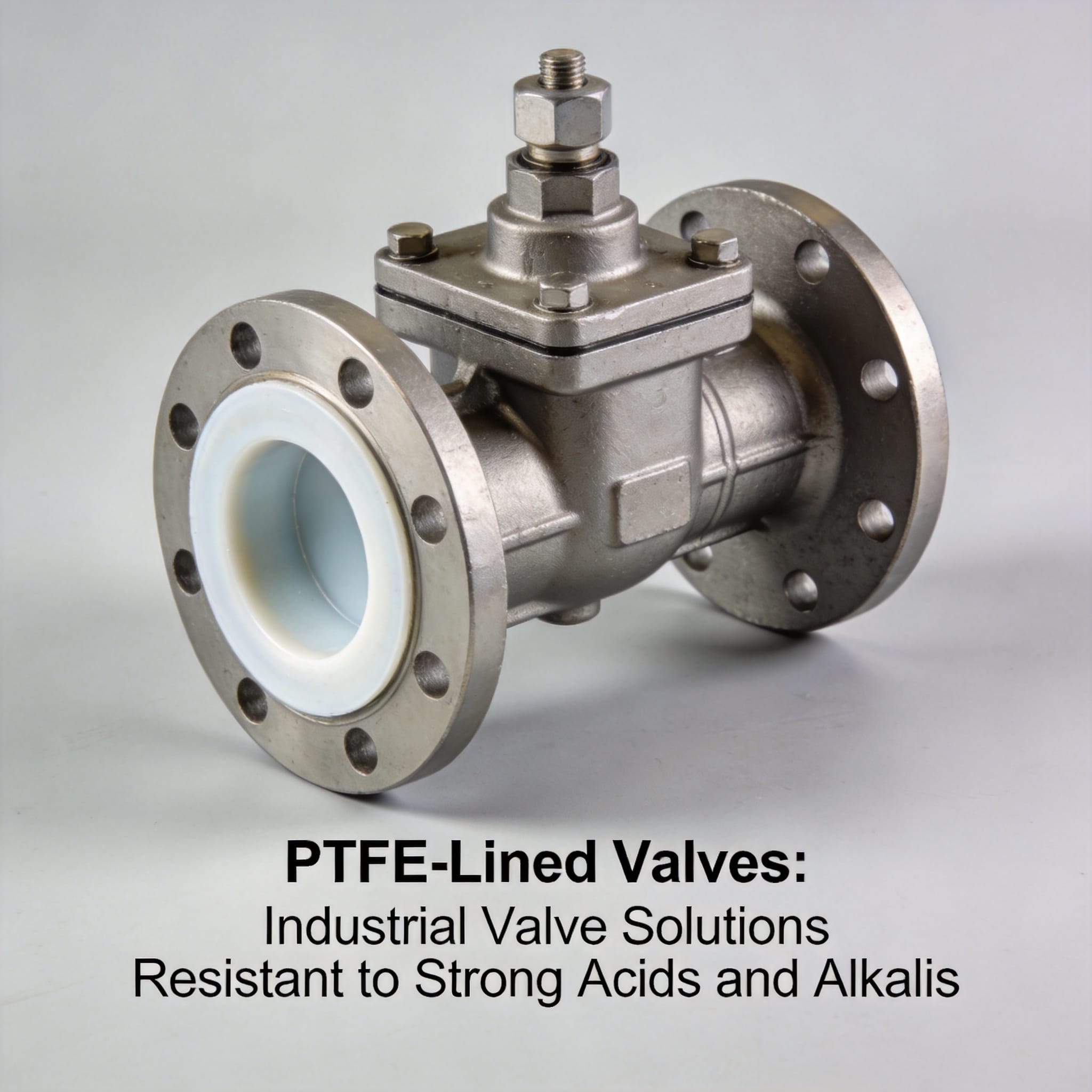
Another prominent application is in chemical processing plants, where PTFE Teflon sheets line reactors, pipes, and storage vessels. The sheets protect infrastructure from corrosive chemicals like sulfuric acid and chlorinated solvents, minimizing maintenance and downtime. In the electronics industry, thin PTFE sheets are used as dielectric layers in multilayer circuit boards and flexible cables, thanks to their high dielectric constant and thermal stability. By integrating PTFE Teflon sheets into manufacturing equipment, companies achieve enhanced efficiency, reduced maintenance costs, and improved product quality across various industrial sectors.
Automotive Industry: Enduring Harsh Conditions
Within the automotive sector, the PTFE Teflon sheet has earned a reputation for withstanding the harshest of conditions. Under-the-hood applications benefit from PTFE’s thermal stability, where engine components, seals, and gaskets demand materials that resist oil, fuels, and extreme temperatures. The self-lubricating properties of PTFE reduce friction in moving parts, enhancing vehicle performance and longevity.
The automotive braking system also leverages PTFE sheets. Brake pads and caliper bushings incorporate thin PTFE layers to deliver smoother actuation and reduce noise, vibration, and harshness (NVH). In electrical systems, PTFE’s high dielectric strength allows for the production of wiring harnesses and connectors that remain stable under voltage fluctuations and temperature cycles. As electric vehicles gain prominence, PTFE Teflon sheets are further adopted for battery pack insulation and coolant channel linings, highlighting the sheet’s ongoing role in advancing automotive innovations.
Maintenance and Care Tips for PTFE Teflon Sheets
Proper maintenance of PTFE Teflon sheets ensures their performance and longevity. Regular inspection is key: check for scratches, cuts, or embedded debris that can compromise the sheet’s non-stick surface. Gentle cleaning with mild detergents and soft cloths helps remove contaminants without damaging the fluoropolymer surface. Avoid abrasive cleaners or scouring pads, which may abrade the sheet and reduce its effectiveness.
When installing or replacing PTFE Teflon sheets, handle them carefully to prevent creases or folds that could lead to weak spots. Store sheets flat in a cool, dry environment away from direct sunlight and chemical vapors that could alter their properties over time. If sheets are used in applications à haute température, allow them to cool gradually to prevent thermal shock. Following these simple care guidelines will help maintain the integrity of your PTFE Teflon sheets and safeguard their exceptional performance in any setting.
Conclusion: The Enduring Impact of PTFE Teflon Sheets
From its serendipitous discovery to its pivotal role in modern industry, the PTFE Teflon sheet has proven itself as a material of unmatched versatility. Its unique combination of non-stick behavior, chemical inertness, and thermal stability continues to drive innovations across sectors.
Whether in manufacturing, automotive, medical, or consumer applications, the enduring impact of PTFE Teflon sheets is clear: they solve complex challenges with elegant simplicity, underscoring why this remarkable material remains an industry staple.

 English
 Russian
 French
 Spanish