
Short answer: Build your PTFE supplier qualification checklist around five evidence pillars: manufacturing capability (in-house sintering and machining), quality system (ISO 9001 plus lot-level test data), material traceability (resin lot to finished part), application competence (they ask about your media and temperature), and delivery reliability (documented OTD on repeat orders). A factory tour verifies more than any certificate.
PTFE sourcing has a specific trap: the barrier to entry is low for cutting and machining purchased stock, so the market is full of “suppliers” who are really converters. Whether that matters depends on your risk profile — but you should know which type you are buying from.
Pillar 1: Manufacturing Capability
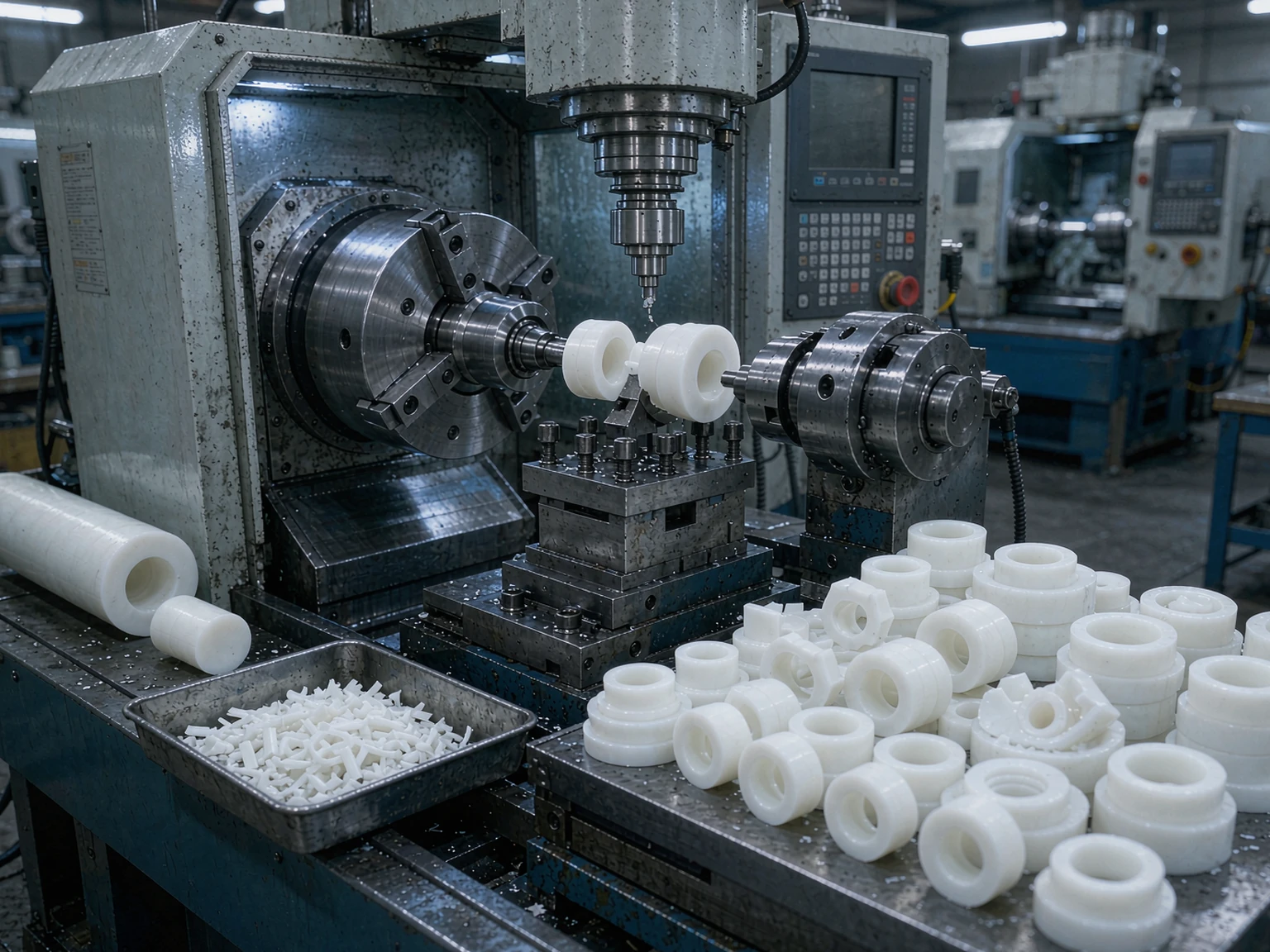
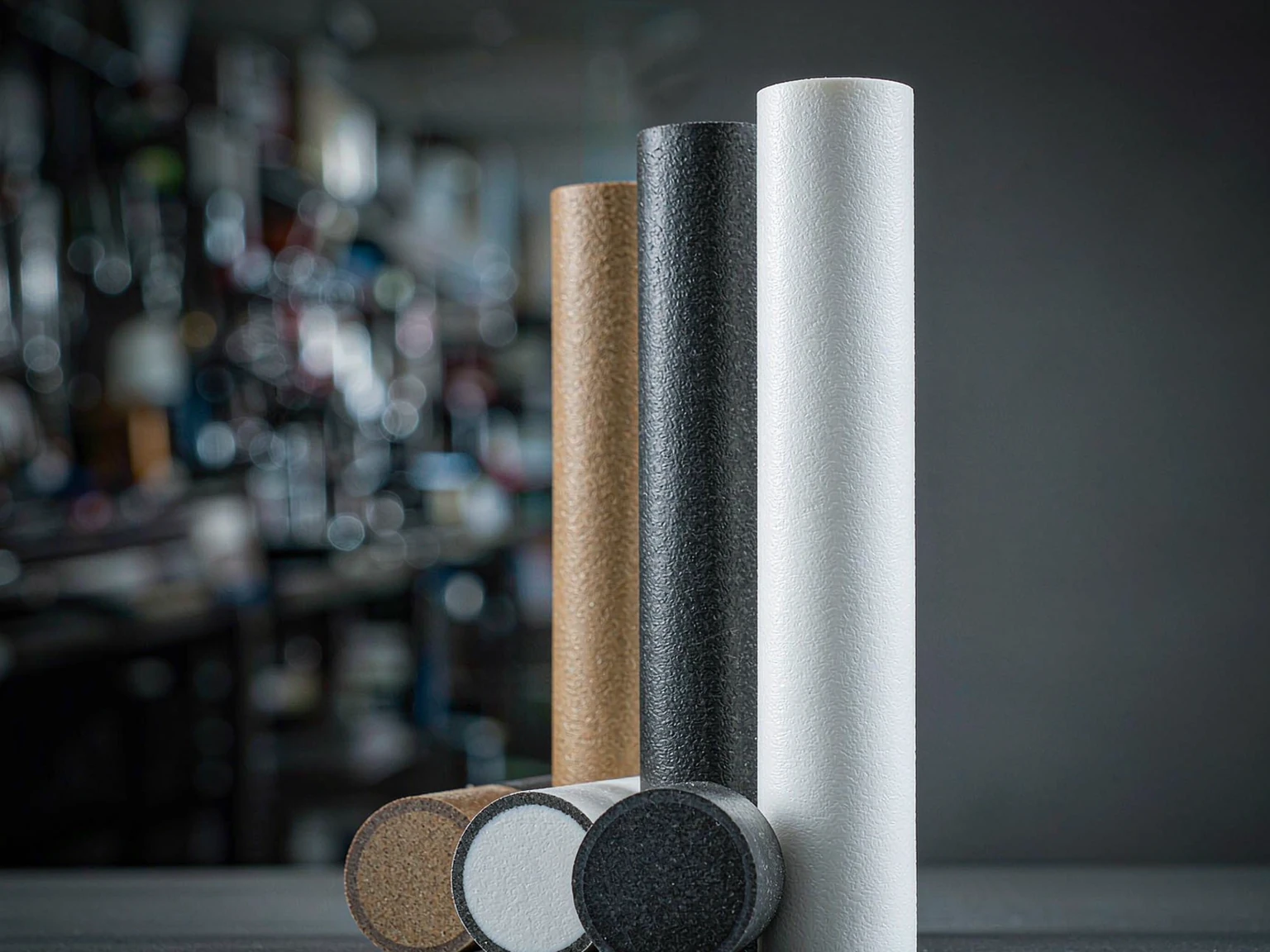
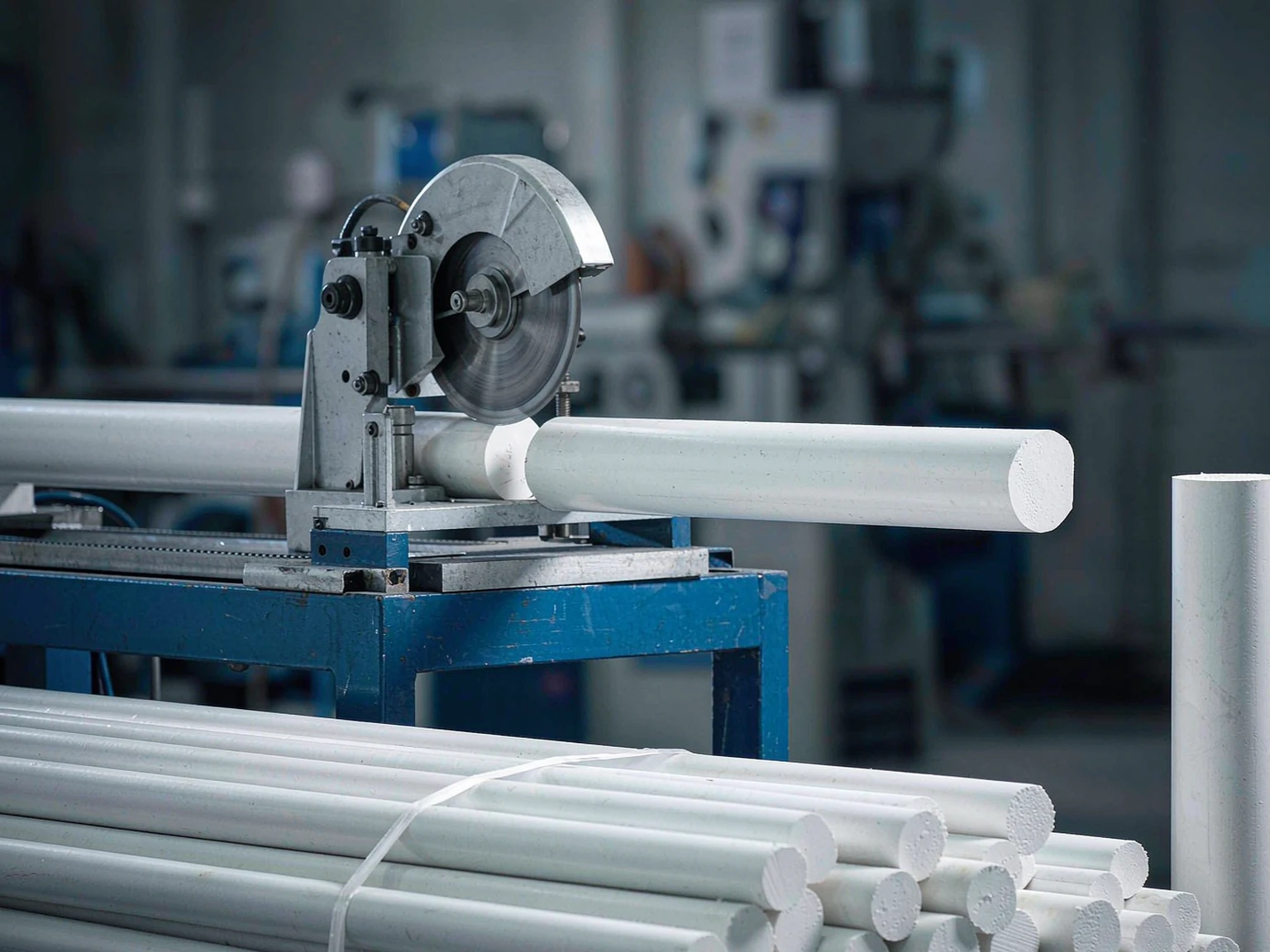
- Do they mold and sinter their own billets, or buy stock shapes? (Either can be fine — but it changes what they can control.)
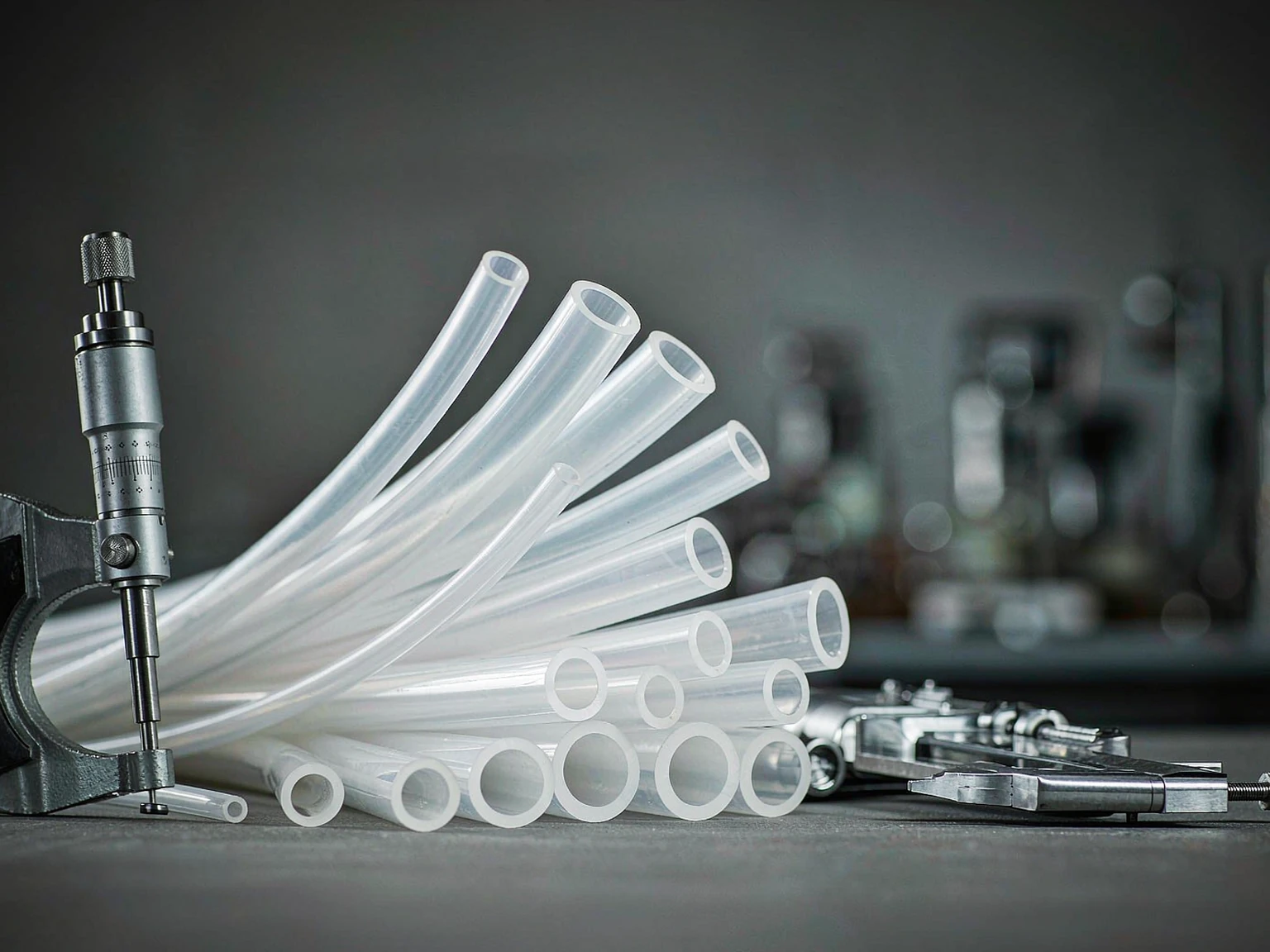
- In-house CNC capacity and inspection equipment: CMM, surface finish tester, thickness gauges with calibration records.
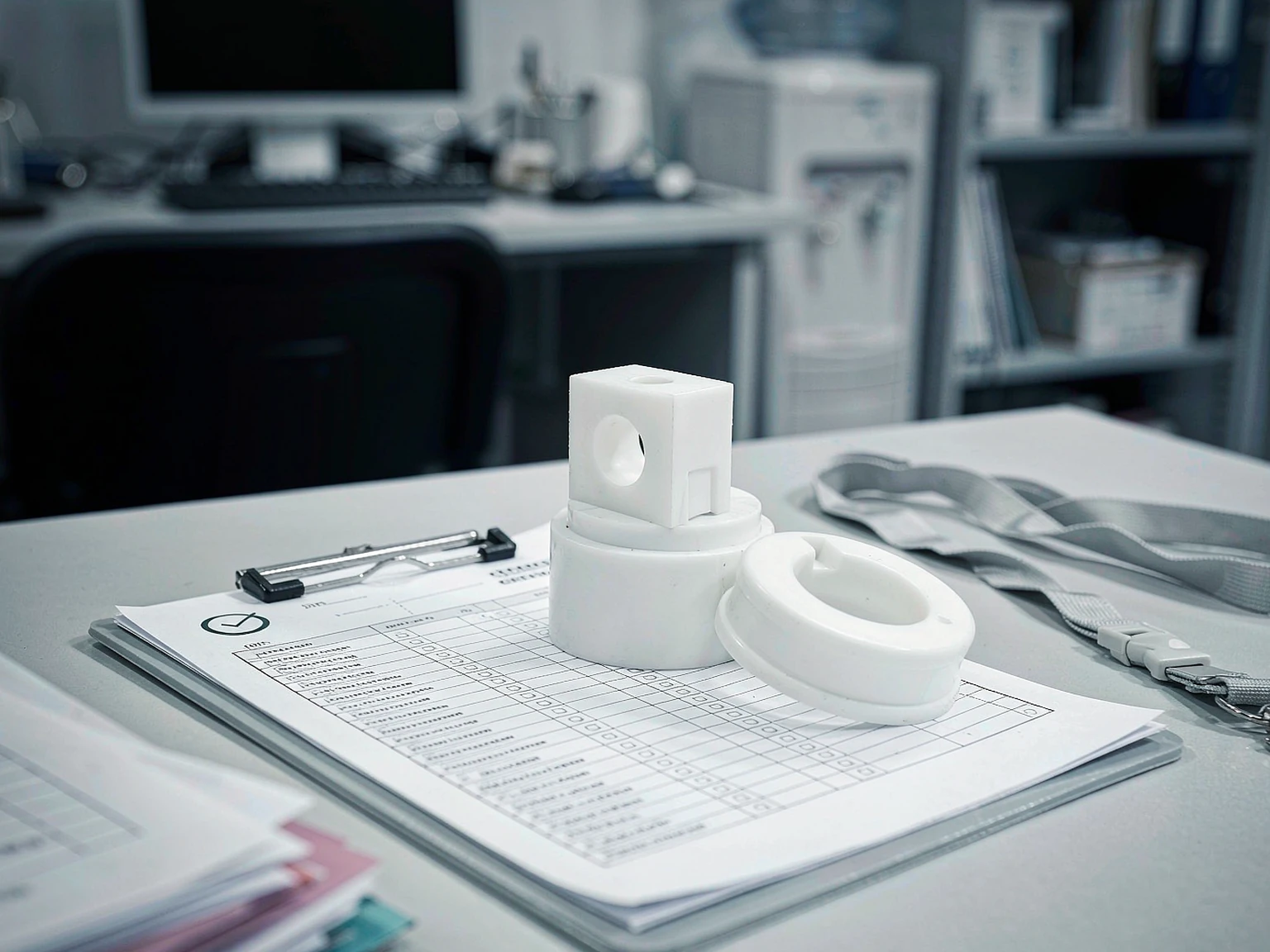
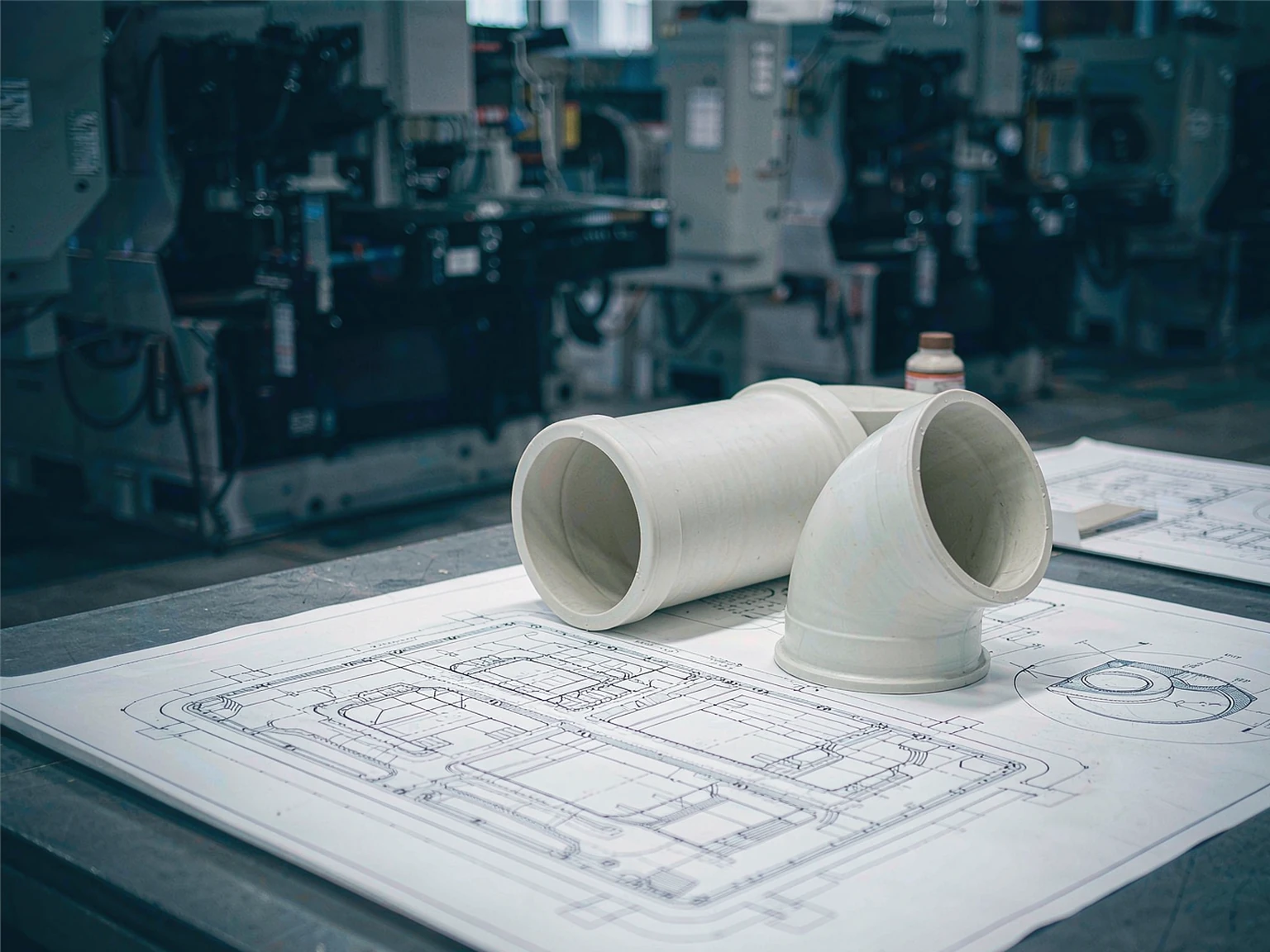
- Can they show a first-article report from a real customer order (sanitized)?
Pillar 2: Quality System Beyond the Certificate
ISO 9001 is the entry ticket, not the evidence. Ask to see a filled-in test report from an actual lot: dimensions, density, tensile data where relevant. Compare it against the generic datasheet — generic-only documentation is a warning sign.
Pillar 3: Traceability
Ask how a field failure would be investigated: can they map your PO to the resin lot, the sintering batch, and the machining operator record? Suppliers who mold their own material can close this loop fully; converters can only trace to their stock supplier.
Pillar 4: Application Competence
In your technical exchanges, count how many questions they ask. A qualified PTFE partner asks about media, temperature range, pressure cycling, and assembly torque — because filled grades interact with some chemicals (glass with alkalis, bronze with acids) and creep behavior changes with temperature. A supplier who quotes without asking is bidding on keywords, not engineering.
Pillar 5: Delivery and Stability
| Check | Acceptable evidence |
|---|---|
| On-time delivery history | Documented OTD % on repeat orders, not a claim |
| Financial/production stability | Company age, capacity utilization, second-source plan |
| Communication | Named technical contact, response time during the RFQ itself |
Using the Checklist
Score each pillar 0–2 in a structured audit (onsite if the spend justifies it). Two or more pillars scoring 0–1 means either reject or restrict the supplier to low-risk parts. Chunhuan Group, manufacturing since 1985 with in-house molding, sintering, and CNC, welcomes documented audits and provides resin-to-part traceability as standard.
Frequently Asked Questions
What should a PTFE supplier qualification checklist include?
Five pillars: manufacturing capability, quality system with lot-level evidence, material traceability, application competence, and delivery reliability. Verify each with documents, not claims.
Should I only buy from manufacturers rather than converters?
Not necessarily — converters can be excellent. But know which you are dealing with, because it determines how far traceability can reach and who fixes problems.
Is ISO 9001 enough to qualify a PTFE supplier?
No. It is a baseline. Ask for actual lot test reports and a walkthrough of how a nonconformance is handled — evidence beats certificates.
Why do good PTFE suppliers ask so many questions?
Filled grades react with specific media (glass/alkali, bronze/acid) and creep varies with temperature. Detailed questions signal engineering competence, not difficulty.

 English
 Russian
 French
 Spanish
