
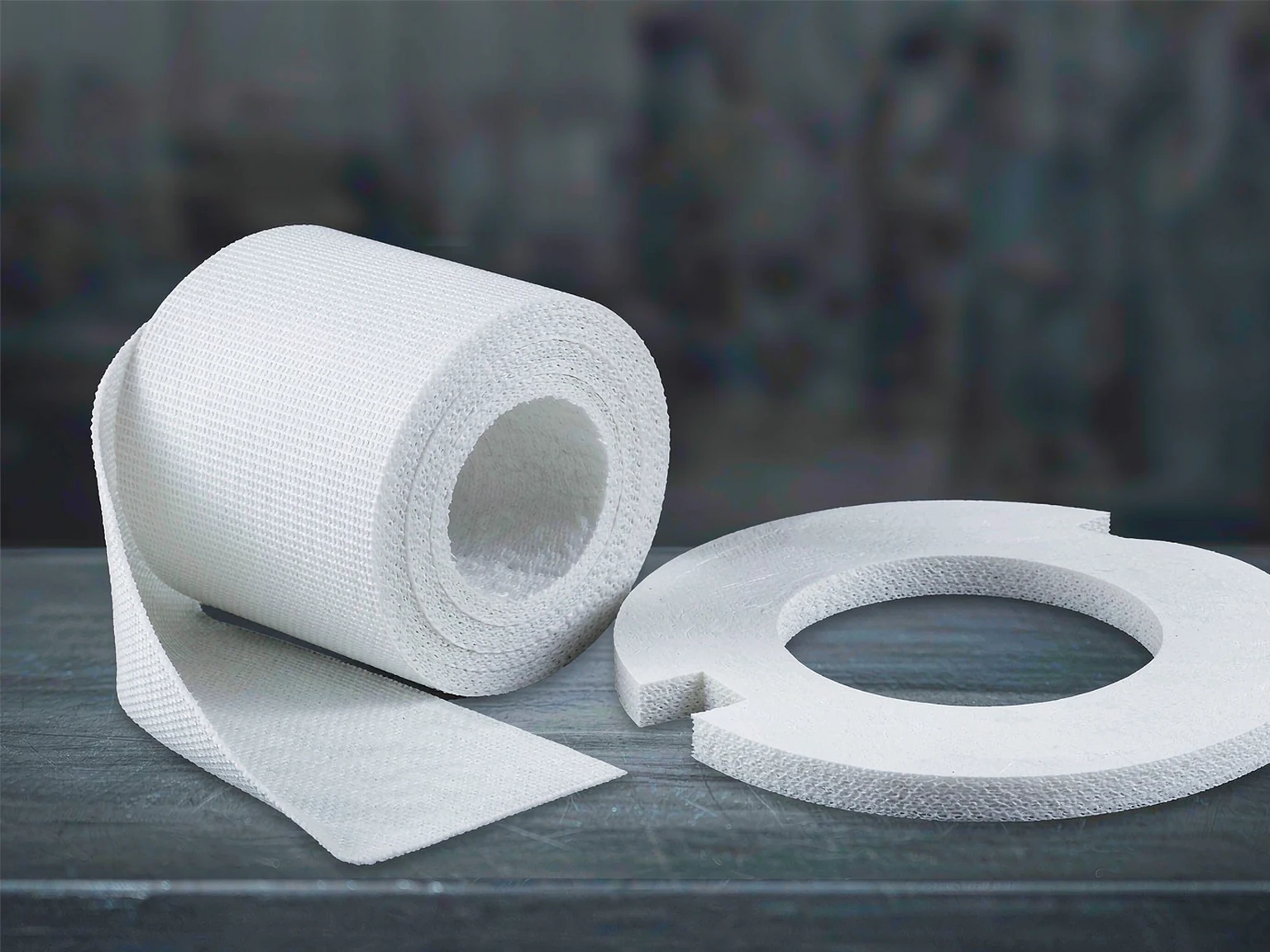
Short answer: A PTFE envelope gasket is a composite seal: a filler core (rubber, compressed fiber, or corrugated metal) wrapped in a thin PTFE jacket. You get PTFE’s chemical resistance without its creep — at the cost of lower pressure/temperature limits and an exposed-edge seam that defines the quality of the whole gasket. Choose them when media is aggressive but duty conditions are moderate.
Envelope gaskets solve a real engineering conflict: solid PTFE creeps under bolt load, while the materials that don’t creep (fiber, graphite, metal) can’t survive the chemical. Wrapping a resilient core in PTFE gets most of both properties.
Three Construction Types — and Why the Seam Matters
| Type | Construction | Where it fits |
|---|---|---|
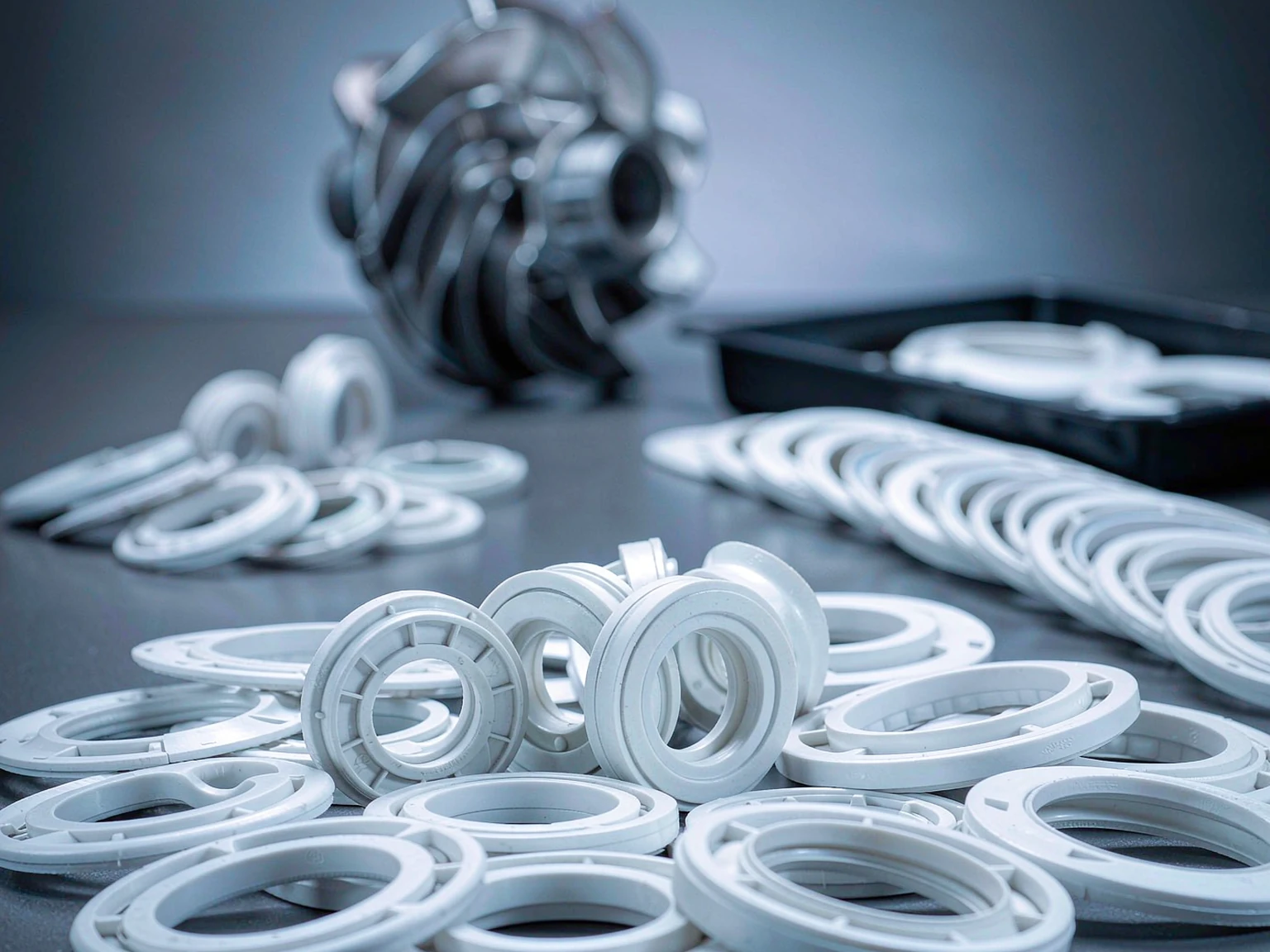
| V-cut / milled | PTFE tube machined with a V opening, core inserted | General duty; uniform jacket thickness |
| Wrinkle (Z-fold) | PTFE film folded around the core | Economical; slightly thicker seam zone |
| Heat-sealed | Film wrapped and welded | Smooth profile; seam strength depends on process control |
In all three, the jacket is only 0.4–0.5 mm thick. That thin film is the entire chemical barrier — jacket defects, thin spots at the seam, or damage during installation defeat the gasket. When evaluating a PTFE envelope gasket manufacturer, ask how jacket thickness is verified and how seams are inspected; a supplier that answers casually is telling you where their failures will come from.
Where Envelopes Win and Lose
Win: glass-lined reactors (where full PTFE’s gap-filling would need excessive thickness), moderate-pressure chemical lines under ~10 bar, duties needing low bolt load, food and pharma lines wanting easy-clean surfaces.
Lose: high pressure (blowout risk on the jacket), steam above ~200 °C, and applications where the fill media could migrate through the seam if the core is permeable.
Core Selection in 30 Seconds
- Neoprene or EPDM rubber core: standard, good recovery.
- Compressed fiber core: higher stiffness for flatter flanges.
- Corrugated metal core: highest pressure capability; spring effect keeps jacket loaded.
Chunhuan manufactures V-cut and wrinkle envelope gaskets with verified jacket thickness, in full flange standard sizes and custom ID/OD, from a manufacturer that has produced PTFE sealing products since 1985.
Frequently Asked Questions
What is the difference between envelope gasket types?
V-cut gaskets are machined from PTFE tube with uniform jacket thickness; wrinkle types fold film around the core and are more economical; heat-sealed types have smooth profiles but seam strength depends on process control.
When should I choose an envelope gasket over solid PTFE?
When media requires PTFE resistance but duty is moderate: glass-lined flanges, pressures under ~10 bar, low bolt load requirements. Solid PTFE or filled grades suit higher pressure.
How thick is the PTFE jacket on an envelope gasket?
Typically 0.4–0.5 mm — it is the whole chemical barrier, so jacket thickness verification and seam inspection are the key quality questions.
What core materials are used in PTFE envelope gaskets?
Rubber (neoprene/EPDM) for standard recovery, compressed fiber for stiffness, and corrugated metal for higher pressure with spring-back support.

 English
 Russian
 French
 Spanish
