
In a world where innovation constantly redefines the boundaries of possibility, certain materials stand out for their remarkable properties and versatility. Enter the virgin PTFE skived sheet—a product that embodies both these qualities and more. Known for its exceptional chemical resistance and frictionless surface, this material is revolutionizing various industries, from aerospace to food processing. As businesses seek solutions that not only meet but exceed stringent standards, the allure of these sheets becomes impossible to ignore. Indeed, the charm of virgin PTFE skived sheets lies in their ability to provide superior performance while maintaining an unparalleled standard of purity.
Imagine possessing a material that remains unyielding even in the harshest environments, resisting chemicals that would otherwise corrode lesser options. These versatile sheets, derived from 100% pure polytetrafluoroethylene, offer just that and more. With the potential to withstand extreme temperatures and pressures, they promise durability and reliability like no other. As we delve into the world of virgin PTFE skived sheets, we will uncover what makes them a cornerstone in industries that demand excellence. Whether you’re a seasoned engineer or a curious enthusiast, prepare to explore the fascinating qualities of a product that continues to set new benchmarks for quality and efficacy.
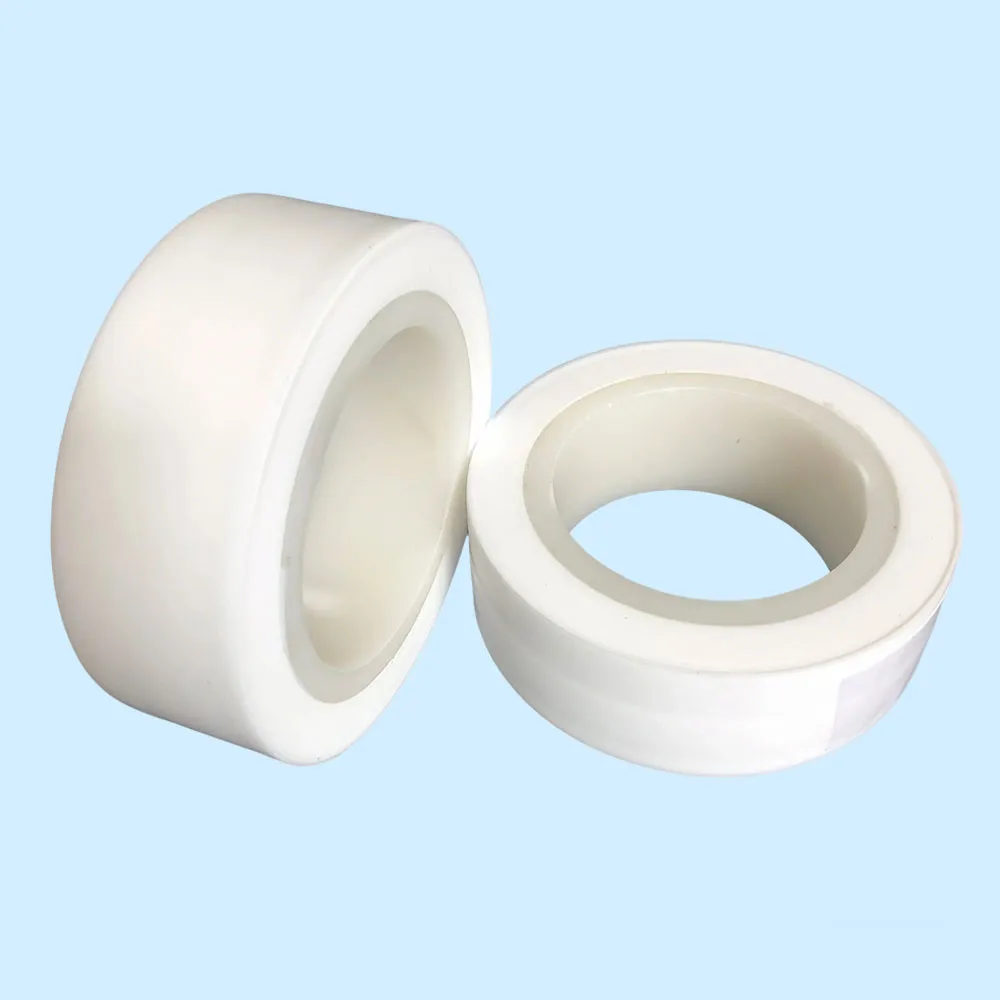
Superior Chemical Resistance of Virgin PTFE Skived Sheets
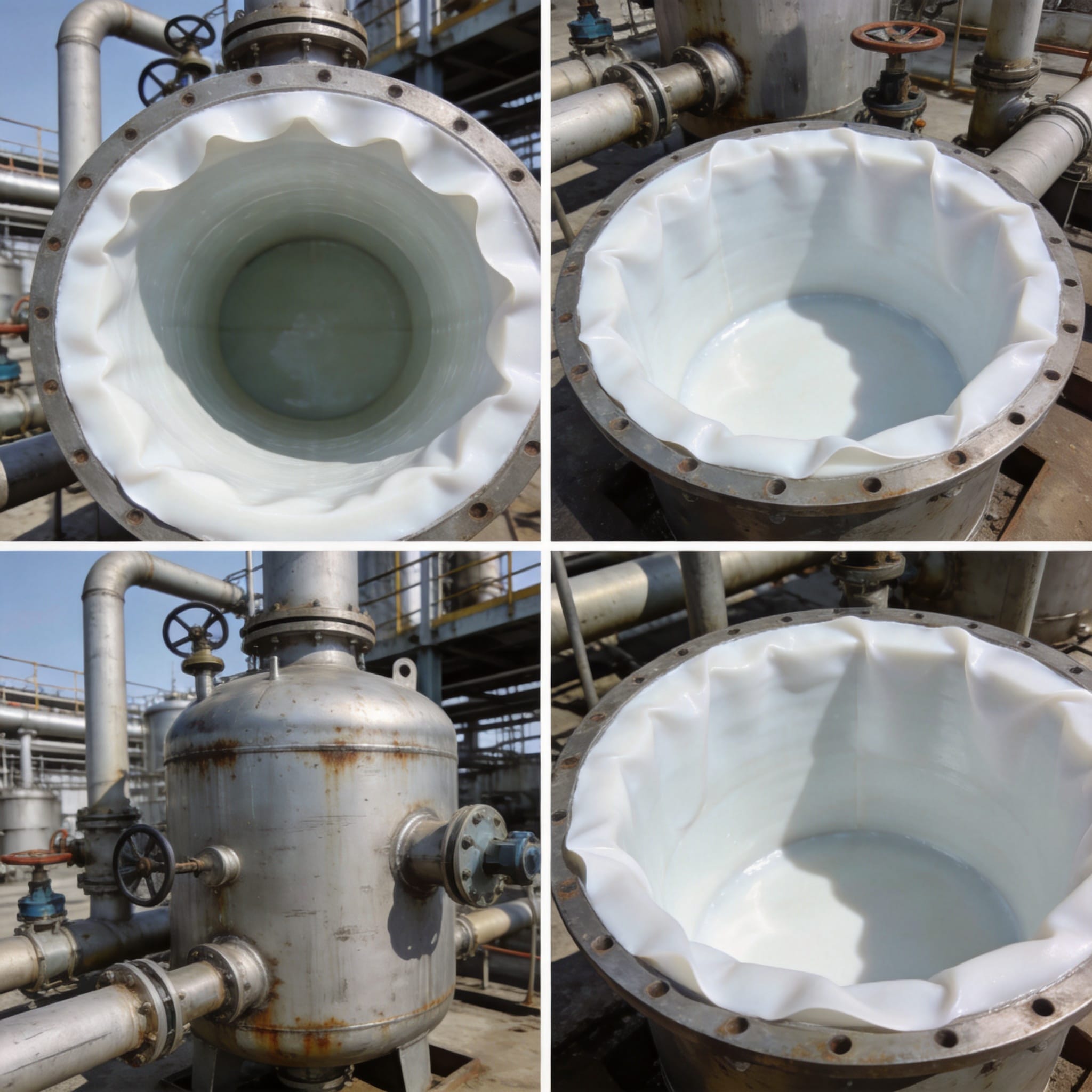
The virgin PTFE skived sheet is renowned for having one of the highest levels of chemical resistance among fluoropolymers, making it virtually unaffected by strong acids, bases, solvents, and corrosive reagents. Unlike many plastics that swell, soften, or degrade when exposed to aggressive chemicals, PTFE exhibits near-perfect inertness, ensuring that no leachables or contamination occur in critical applications. This property is especially valuable in pharmaceutical processing, where maintaining the purity of active compounds is paramount. When used as liners, seals, or gaskets, these sheets provide a robust barrier, protecting both the product and the containment vessel from chemical attack.
Beyond simple resistance, the molecular structure of PTFE features long carbon chains fully shielded by fluorine atoms, preventing reactive species from penetrating or breaking the polymer backbone. This structure gives the virgin PTFE skived sheet an extraordinary capacity to resist oxidative and reductive environments alike. In food processing and laboratory equipment, this means vessels and tubing remain uncontaminated over extended service lives, reducing downtime and maintenance costs. Moreover, even when exposed to harsh cleaning protocols or sterilizing agents, PTFE retains both its mechanical integrity and surface finish, ensuring long-term operational reliability.
Applications in the Aerospace Industry
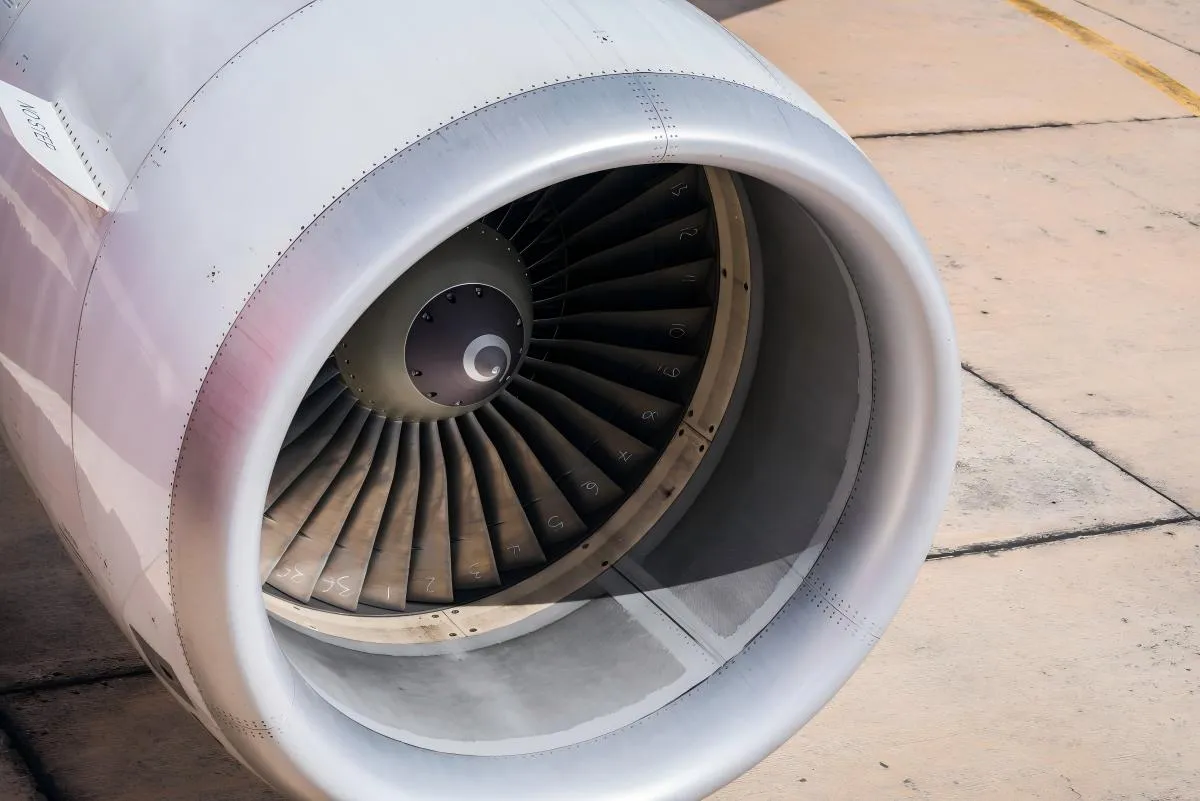
Aerospace engineering demands materials that combine low weight, high strength, and exceptional performance under extreme conditions. The virgin PTFE skived sheet meets these needs by offering a lightweight solution for components such as insulation layers, cable jacketing, and vibration-dampening pads. Its low dielectric constant and high dielectric strength make it an ideal choice for electrical insulation in avionic systems, ensuring signal integrity even under high-voltage or high-frequency conditions.
Additionally, its non-flammable nature and low smoke emission satisfy stringent aerospace fire, smoke, and toxicity (FST) regulations, improving overall safety for both crew and passengers. Seals and gaskets fabricated from virgin PTFE skived sheet are also widely used in fuel system components and hydraulic assemblies, where resistance to jet fuels, lubricants, and hydraulic fluids is critical. These sheets maintain their seal integrity over wide temperature ranges, preventing leaks and ensuring operational reliability at cruising altitudes and in ground support equipment. By minimizing maintenance cycles and replacement frequency, PTFE solutions help reduce the total cost of ownership for aircraft operators, while the material’s lightweight characteristics contribute to overall fuel efficiency and reduced emissions.
Durability and Reliability in Extreme Environments
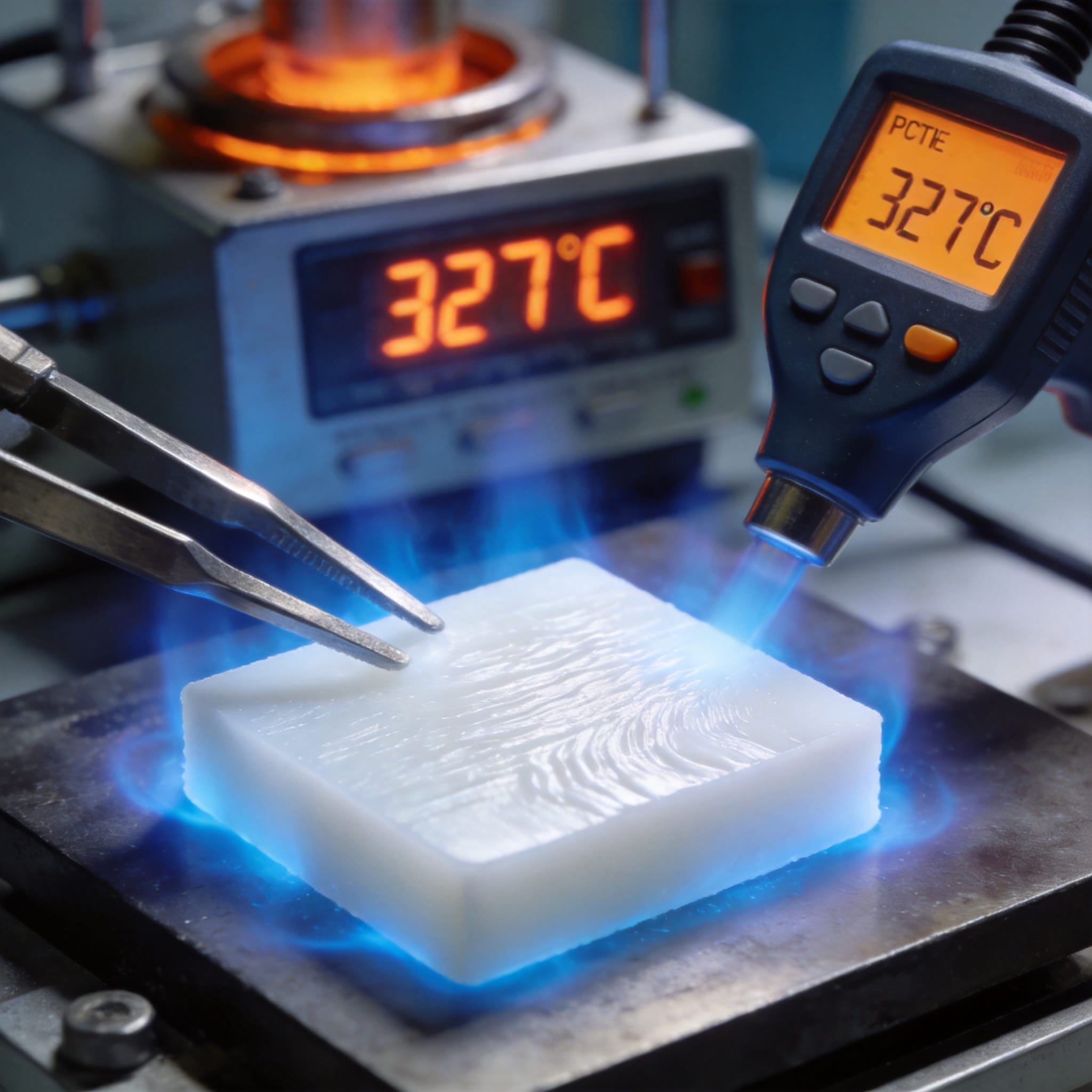
When machinery and structures operate in extreme temperatures, pressure, or corrosive environments, material failure is often the critical path to downtime or safety incidents. The virgin PTFE skived sheet excels where many polymers fail, operating reliably from cryogenic temperatures around –200 °C up to continuous use temperatures of approximately 260 °C without losing mechanical or frictional performance. Its low coefficient of friction remains stable across this temperature spectrum, providing consistent sliding behavior for bearings, slides, and liners. With minimal creep and excellent fatigue resistance, PTFE sheets maintain dimensional stability under cyclic loading, making them well-suited for dynamic applications in drilling rigs, chemical reactors, and offshore platforms.
Additionally, PTFE resists UV radiation, weathering, and oxidative aging far better than most hydrocarbon-based plastics, which is vital for outdoor installations and high-altitude equipment. Even in salt spray or humid, saline conditions, these sheets do not degrade or support biofouling, ensuring long service lives in marine environments. Whether protecting structural joints against corrosive seawater or providing friction-reduction surfaces in industrial valves, the durability of virgin PTFE skived sheet translates directly into increased uptime, reduced maintenance costs, and enhanced operational safety.
Innovations and Advancements in Virgin PTFE Skived Sheet Technology
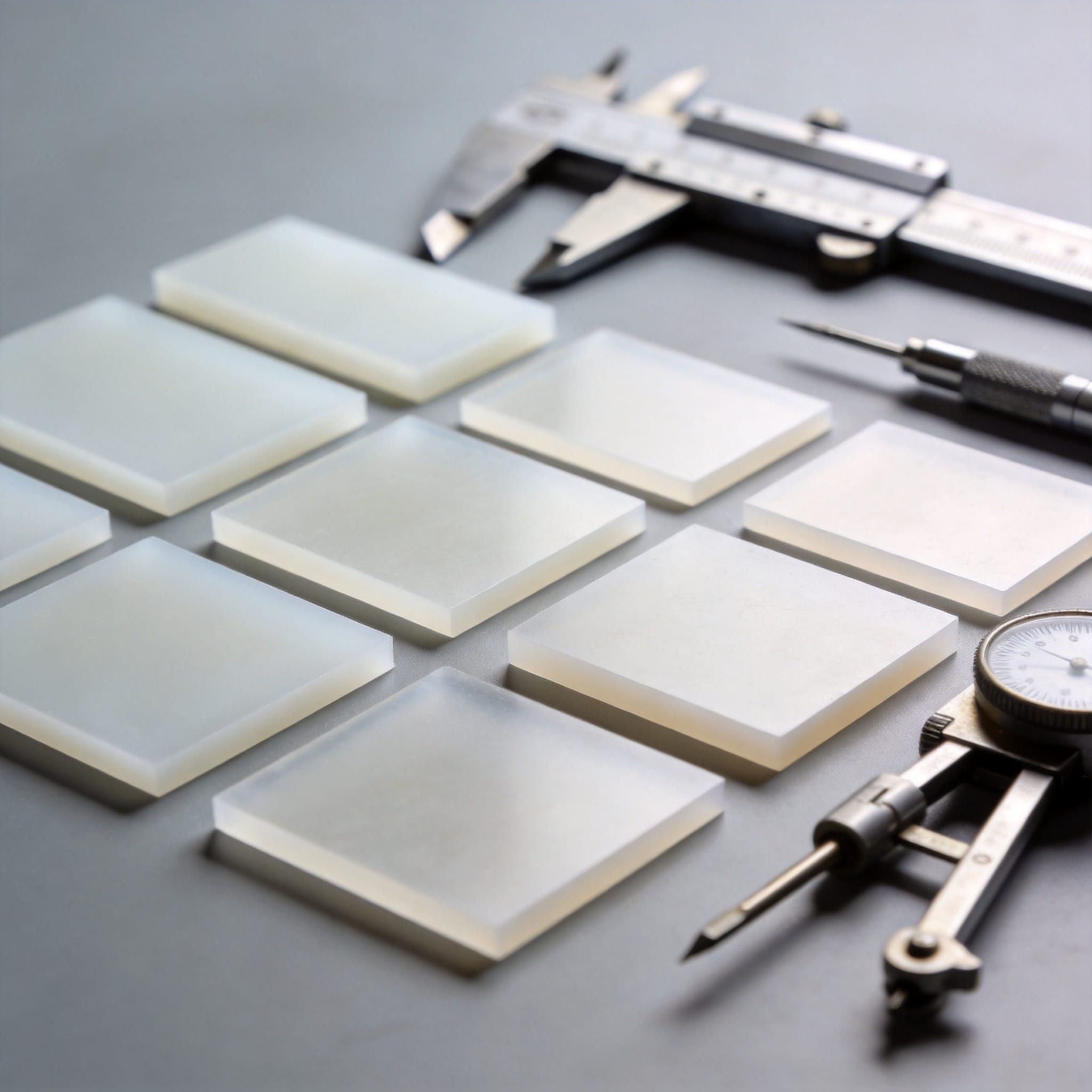
Recent innovations in processing techniques have pushed the performance of virgin PTFE skived sheet to new levels, focusing on tighter thickness tolerances, improved surface finishes, and bespoke compound modifications. Advanced skiving methods now achieve ultra-thin gauges down to a few microns, enabling applications in flexible printed circuitry and microfluidic devices. These thinner sheets retain the core chemical and thermal properties of bulk PTFE while allowing for miniaturization in medical diagnostics and aerospace sensors. Precision skiving also reduces material waste and optimizes yield, lowering overall production costs for high-value, precision applications.
Beyond gauge improvements, manufacturers are exploring PTFE composites by incorporating conductive fillers or reinforcing fibers without compromising chemical inertness. These composite sheets offer enhanced electrical conductivity for static-dissipative seals and EMI/RFI shielding in spacecraft and satellite assemblies. By combining virgin PTFE with nano-sized additives, researchers have demonstrated improvements in wear resistance, compressive strength, and thermal conductivity, opening avenues for more demanding mechanical and thermal management applications. Such advancements solidify the status of virgin PTFE skived sheet as a cutting-edge solution in high-performance engineering.
The Future of Virgin PTFE Skived Sheets: Trends and Forecasts
Looking ahead, the demand for virgin PTFE skived sheet is poised to grow across sectors such as renewable energy, electric vehicles (EVs), and advanced electronics. As EV powertrains and battery management systems require robust insulation and chemical stability in compact packages, PTFE’s lightweight and high-temperature performance make it a natural candidate. In solar and wind energy, PTFE liners and seals help protect sensitive components from corrosion and weathering, enhancing system longevity and reducing maintenance cycles. Moreover, the push toward greener manufacturing has spurred research into recycling and reclaiming PTFE scrap, reducing environmental footprint while preserving the material’s high purity.
Digitalization and Industry 4.0 trends are also influencing PTFE sheet production, with real-time monitoring and data analytics enabling tighter process control and quality assurance. Predictive maintenance of skiving equipment, guided by machine-learning algorithms, is driving consistent product performance and lower downtime for manufacturers. As nanotechnology and additive manufacturing evolve, we may even see hybrid PTFE structures with gradient properties or integrated sensor networks embedded within skived sheets. These innovations will expand the role of virgin PTFE skived sheet from traditional sealing and insulation functions to smart, multifunctional materials at the heart of next-generation engineering solutions.
FAQ
1. What are Virgin PTFE Skived Sheets?
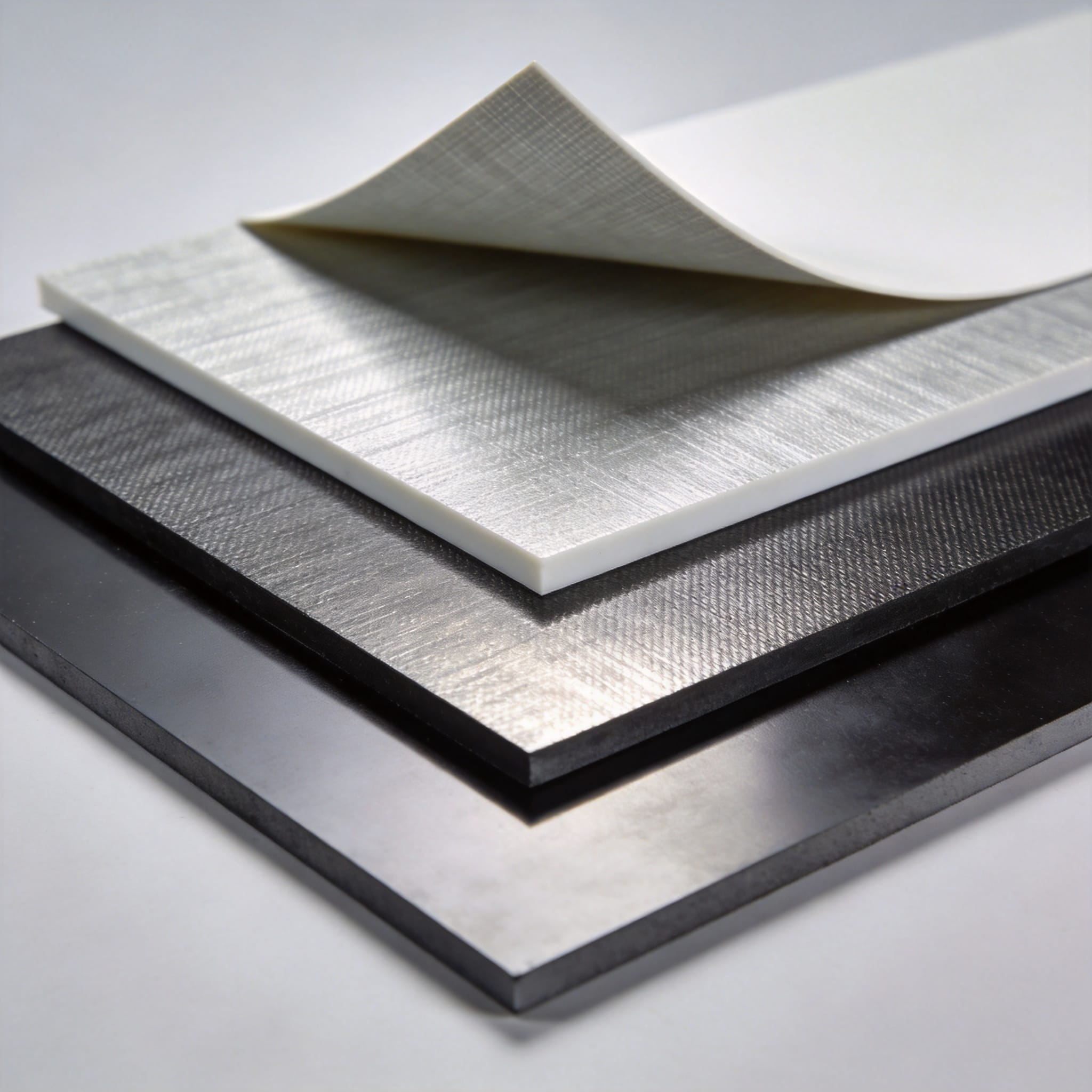
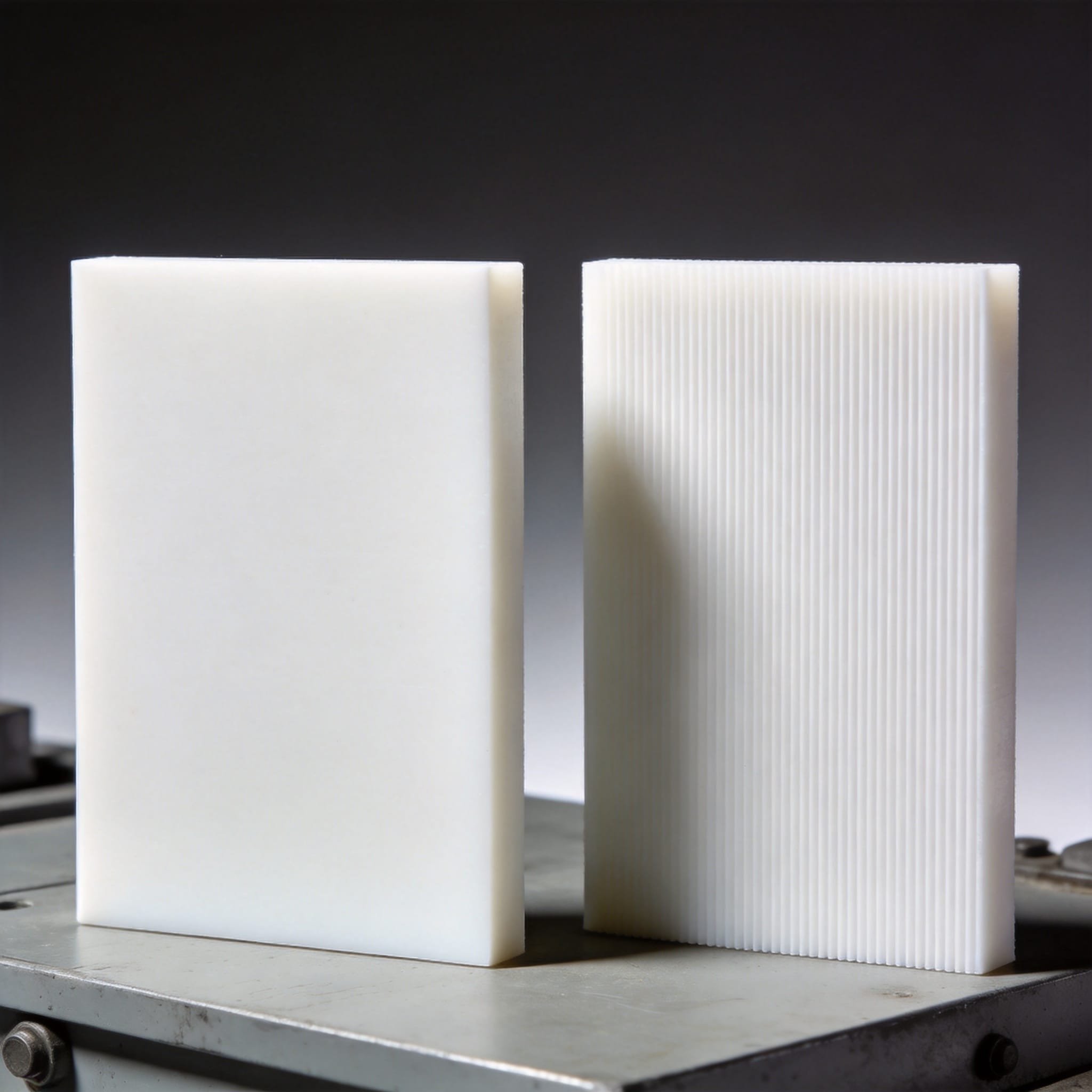
Virgin PTFE skived sheets are high-performance sheets manufactured from 100% virgin Polytetrafluoroethylene (PTFE) resin. They are produced through a skiving process that creates thin, uniform sheets with excellent chemical and thermal properties.
2. What are the key properties of Virgin PTFE Skived Sheets?
Virgin PTFE skived sheets offer:
- Excellent chemical resistance
- High temperature resistance
- Low friction coefficient
- Non-stick surface
- Outstanding electrical insulation
- UV and weather resistance
- High purity and cleanliness
3. What is the difference between virgin and recycled PTFE skived sheets?
Virgin PTFE skived sheets are made from pure PTFE resin without recycled material, providing superior mechanical properties, higher purity, and better performance in demanding applications.
4. How are Virgin PTFE Skived Sheets manufactured?
The manufacturing process typically involves:
- PTFE resin molding
- Sintering
- Skiving into thin sheets
- Surface inspection
- Cutting to required dimensions


 English
 Russian
 French
 Spanish