
In the world of industrial applications, where durability meets precision, polytetrafluoroethylene tubing is rewriting the rulebook. Its unique properties are not just reshaping industry norms but setting new benchmarks for what’s possible in materials science. This fascinating material, commonly known as PTFE, offers unmatched resistance to heat, corrosion, and chemical reactions, opening doors to innovations that were once thought unattainable. Throughout factories, laboratories, and various manufacturing processes, its presence is becoming ubiquitous—as integral to operations as electricity or water.
The remarkable journey of polytetrafluoroethylene tubing from mere laboratory discovery to a cornerstone of industrial infrastructure is nothing short of revolutionary. As industries across the globe face mounting challenges in sustainability and efficiency, PTFE tubing emerges as a silent hero, promising strength without compromise. With its ability to withstand harsh environments and reduce maintenance costs, companies are beginning to realize that this isn’t just another tool—it’s a game changer. Prepare to dive deep into understanding how one material is setting new standards and pushing boundaries across sectors.
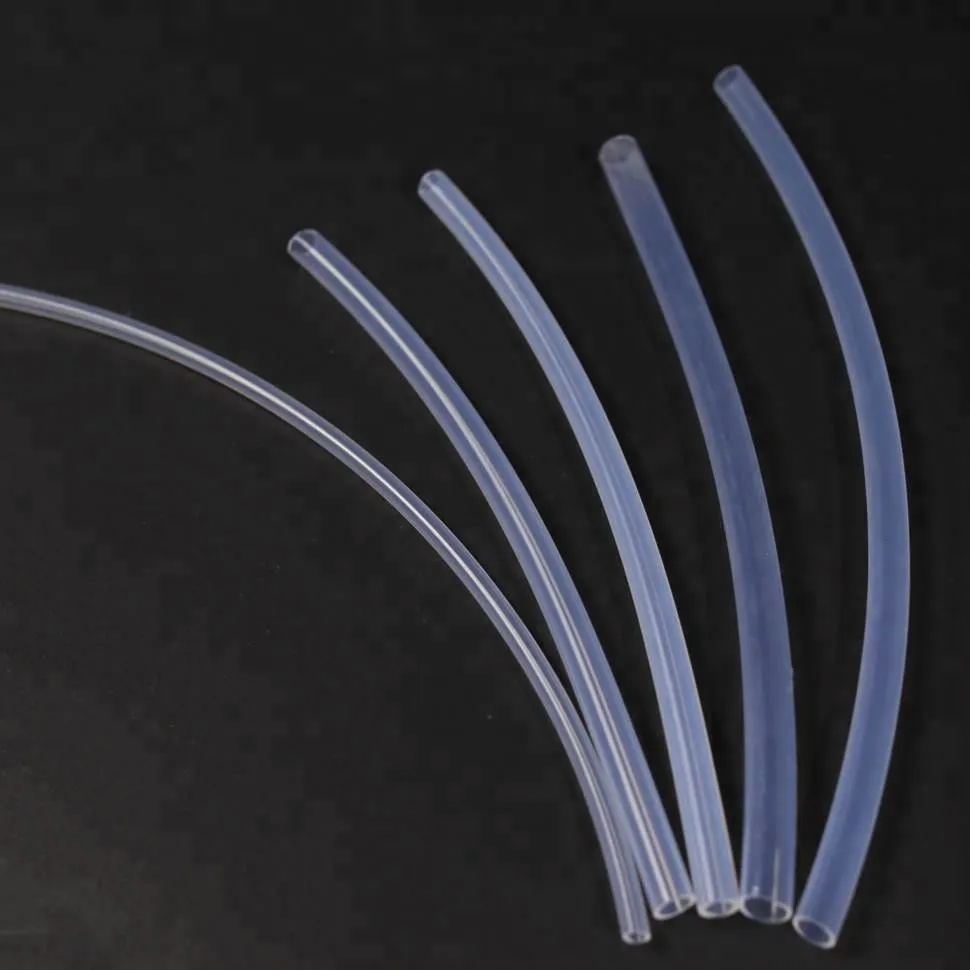
The Origins of Polytetrafluoroethylene Tubing
The story of polytetrafluoroethylene tubing begins in the late 1930s, when chemist Roy Plunkett was exploring refrigerant gases at Kinetic Chemicals. In a serendipitous turn of events, Plunkett discovered a waxy, white solid that exhibited remarkable resistance to heat and chemicals. Recognizing its potential, DuPont secured patents for PTFE in 1941, and the material swiftly moved from lab curiosity to industrial marvel. Early applications focused on non-stick coatings for cookware, but visionary engineers soon realized that this exceptional polymer could revolutionize tubing and fluid-transfer systems.
By the 1950s, manufacturers had begun extruding PTFE into tubes, harnessing its unique combination of flexibility, chemical inertness, and thermal stability. Polytetrafluoroethylene tubing quickly found favor in industries ranging from aerospace, where it carried hydraulic fluids and fuels, to pharmaceuticals, where sterility and purity are paramount. Over subsequent decades, ongoing research refined the polymerization process and extrusion techniques, enabling the production of tubing with consistent wall thickness, tight dimensional tolerances, and virtually zero porosity. Today’s polytetrafluoroethylene tubing is the culmination of more than 80 years of innovation—each refinement building on Plunkett’s original discovery to create a product that underpins modern manufacturing, scientific research, and critical infrastructure worldwide.
Unmatched Durability: Heat Resistance and Thermal Stability
One of the hallmark features of polytetrafluoroethylene tubing is its ability to perform reliably across an extraordinary temperature range. From cryogenic environments as low as –200°C up to continuous service at +260°C, PTFE retains its mechanical strength and flexibility where most plastics would become brittle or degrade. This heat resistance stems from the strong carbon-fluorine bonds in the polymer chain, which confer one of the highest melting points among thermoplastics.
In practical terms, industries that require fluid transfer at elevated temperatures—such as chemical processing, oil and gas, and power generation—rely on PTFE tubing to prevent leaks, blockages, and material breakdown. Even repeated thermal cycling has minimal impact on its long-term performance, thanks to a low coefficient of thermal expansion and high creep resistance. Whether transporting superheated steam or handling cryogenic gases, polytetrafluoroethylene tubing stands out as a durable solution that dramatically reduces downtime, extends service intervals, and safeguards critical processes against temperature-induced failures.
Chemical Inertness: Redefining Safety Standards
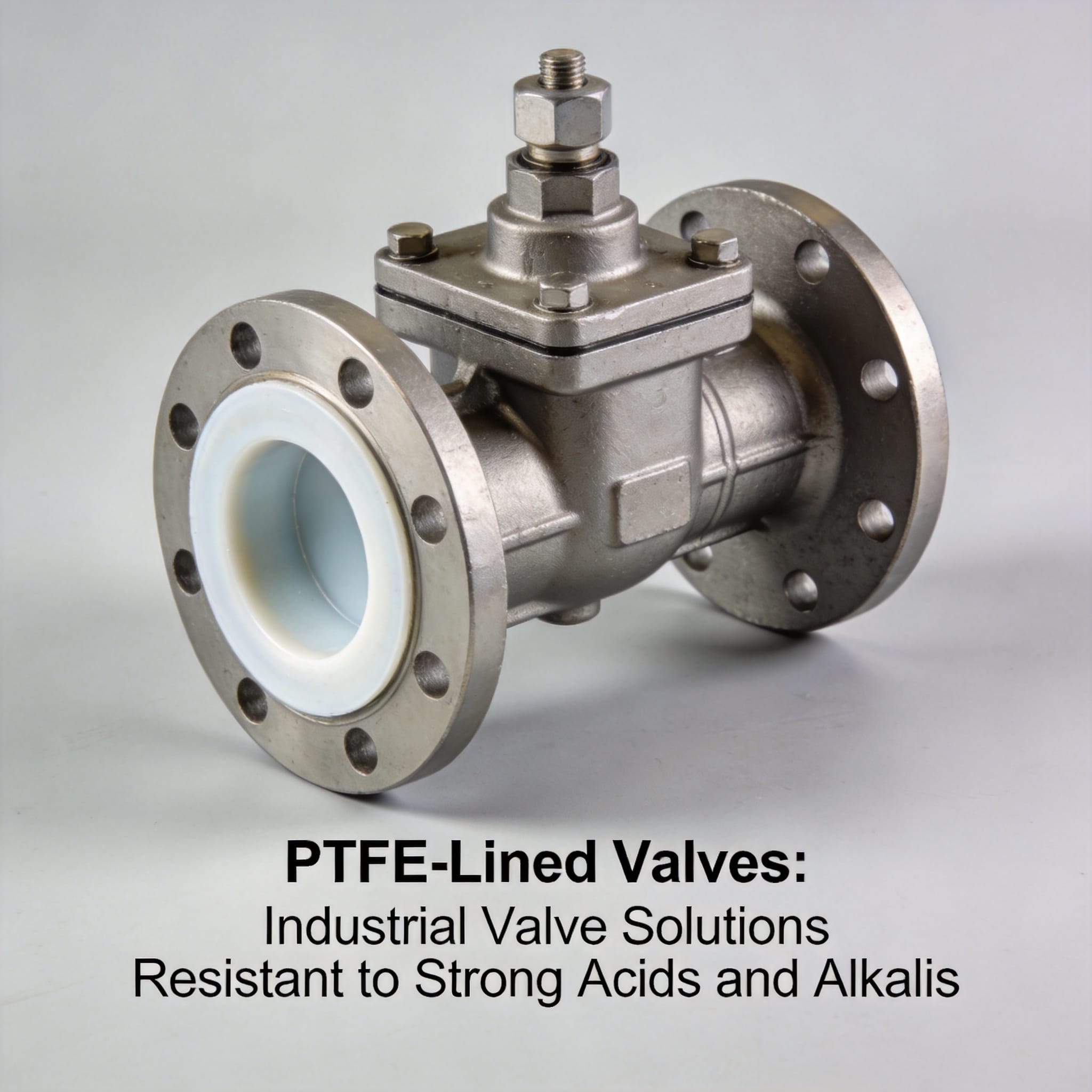
Polytetrafluoroethylene tubing is renowned for its absolute chemical inertness. It resists attack from virtually all acids, bases, solvents, and reactive gases, making it the material of choice for highly corrosive or purity-sensitive applications. Even the most aggressive chemicals—concentrated nitric acid, strong alkalis, chlorinated solvents—have virtually no effect on PTFE’s integrity or surface properties.
This level of chemical resistance has redefined safety and reliability standards in multiple sectors. In semiconductor manufacturing, ultra-pure PTFE tubing ensures that ultrapure water and etching chemicals remain uncontaminated throughout their journey to processing chambers. In biopharmaceutical production, PTFE’s inertness prevents leaching and cross-reactivity, safeguarding product quality and patient safety. Moreover, its non-stick surface repels residues, minimizing the risk of contamination and facilitating thorough cleaning during sterilization cycles. By removing the threat of chemical degradation and interaction, polytetrafluoroethylene tubing delivers unparalleled peace of mind in environments where failure is not an option.
Manufacturing Process of Polytetrafluoroethylene Tubing
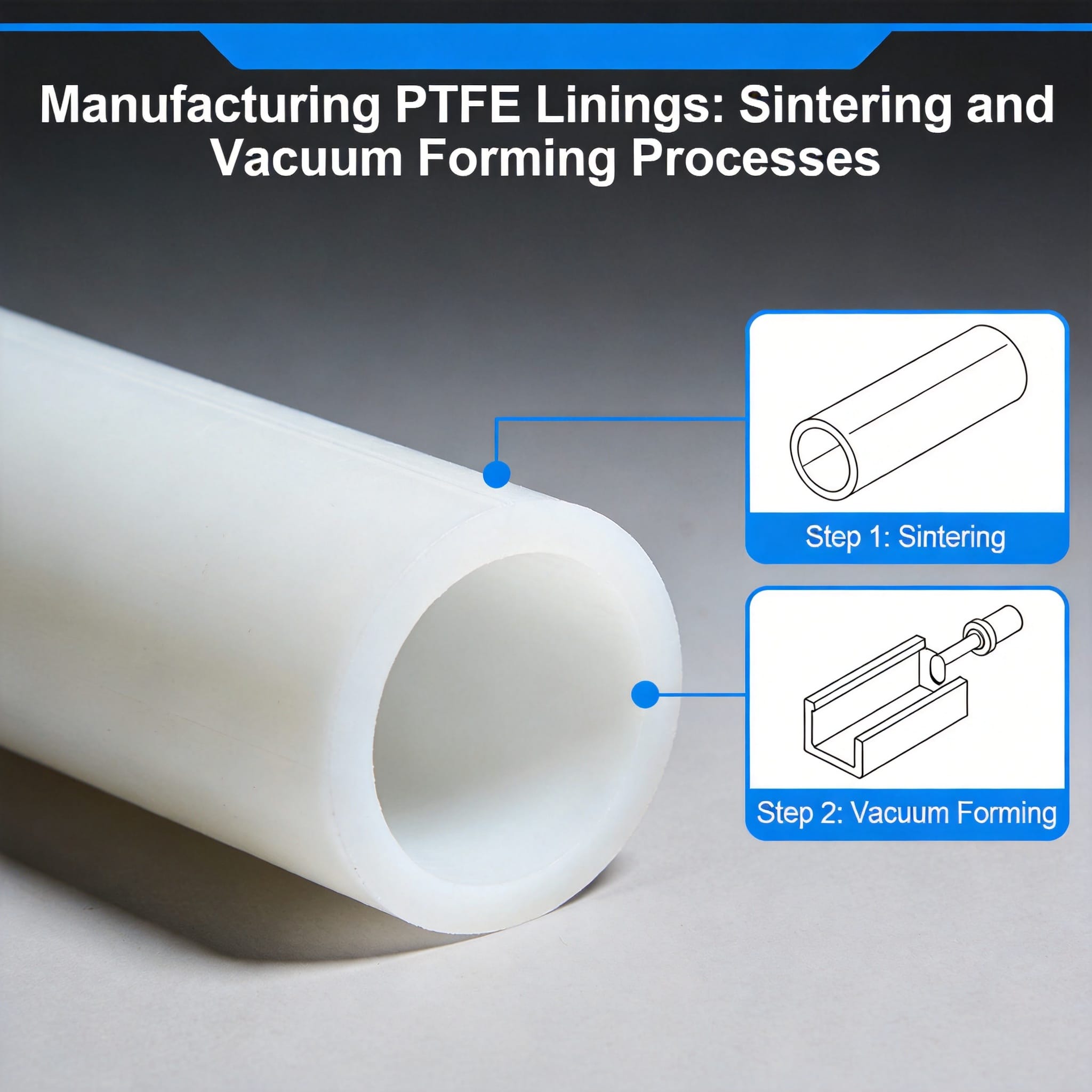
Producing polytetrafluoroethylene tubing involves a finely tuned extrusion process that starts with raw PTFE powder. Manufacturers mix this powder with a small percentage of lubricant to aid in shaping. The blended material undergoes pre-forming into rods or billets, which are then ram-extruded under high pressure through precision dies. This step imparts the tube’s initial dimensions and surface finish.
Following extrusion, the green tubes (so called because they are unsintered) are subjected to a multi-stage sintering cycle. Controlled heating above the polymer’s melting point fuses the PTFE particles into a continuous, homogeneous structure. Carefully managed cooling prevents warping and preserves dimensional accuracy. Advanced quality-control measures—such as laser micrometers and ultrasonic flaw detectors—ensure each length of tubing meets stringent tolerances. The result is polytetrafluoroethylene tubing with consistent wall thickness, smooth bore surfaces, and virtually zero porosity, ready to excel in demanding industrial environments.
Maintenance Benefits: Cost-Effectiveness and Longevity
One of the most compelling advantages of polytetrafluoroethylene tubing is its low maintenance profile. Unlike metal piping or other polymers, PTFE tubing does not corrode, scale, or embrittle over time. Its non-stick inner surface prevents buildup and fouling, significantly reducing cleaning intervals and labor costs. In chemical plants, laboratories, and food-processing facilities, this translates into streamlined operations and minimized downtime.
Moreover, the long service life of PTFE tubing yields substantial cost savings. While the initial investment may be higher than some alternatives, the extended replacement cycles and reduced maintenance overhead quickly offset upfront expenses. Facilities can run continuous processes for years without tube failure, cuts in sealing requirements, or fear of chemical attack. Furthermore, PTFE’s inertness and compliance with FDA and USP Class VI standards make it an ideal, cost-effective choice for critical applications in pharmaceuticals and biotechnology, where equipment reliability directly impacts product quality and regulatory compliance.
Conclusion: The Ongoing Evolution of PTFE Tubing
From its chance discovery to its status as an industrial mainstay, polytetrafluoroethylene tubing has continually pushed the boundaries of materials science. Its combination of heat resistance, chemical inertness, and mechanical durability addresses the toughest challenges across sectors.
As research advances and manufacturing techniques evolve, PTFE tubing will no doubt find new applications and performance enhancements. For now, it stands proudly as a testament to innovation—a silent but indispensable hero redefining industrial standards worldwide.


 English
 Russian
 French
 Spanish